L2VPN - PW, PWE3, VWPS, VLL, VPLS有什么区别?
一句话总结:
- PW是一种模拟隧道,用于打通两个网络。
- PWE3基于PW的一种模型。
- VWPS(等于VLL)和VPLS是PWE3模型下面基于MPLS隧道的2种Ethernet PW技术。
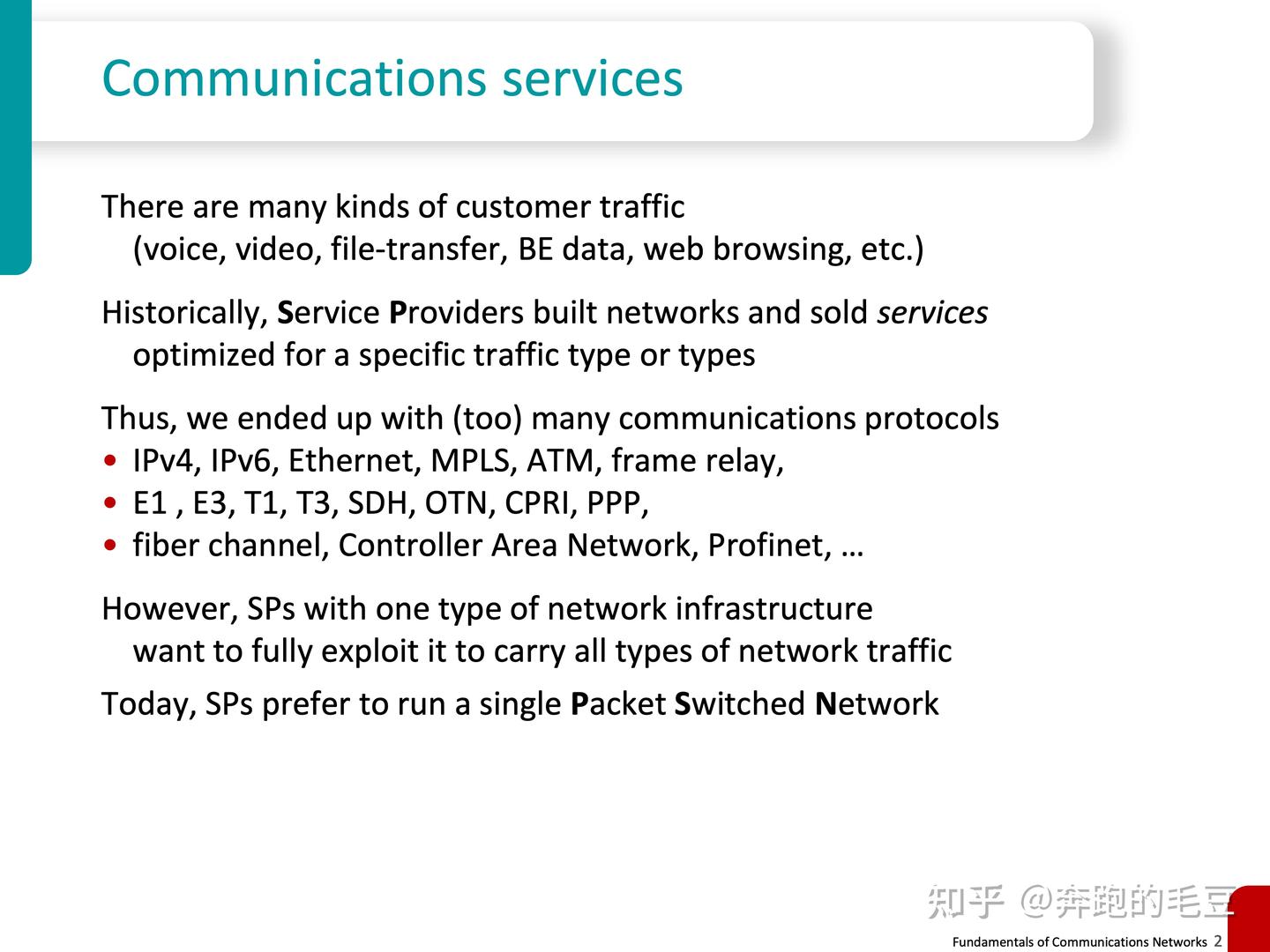
早期的网络,有很多类型的业务(voice, video, file-transfer, BE data, web browsing, etc.),运营商根据业务的类型来建网并且销售(所以我们可以看到以前有很多不同的技术,比如IPv4,E1,Fiber Channel等),但是这样的网络效率比较低单bit可以转发的业务流量低),所以现在的运营商网络都是融合网络(FMC - Fixed, Mobile, Converge)
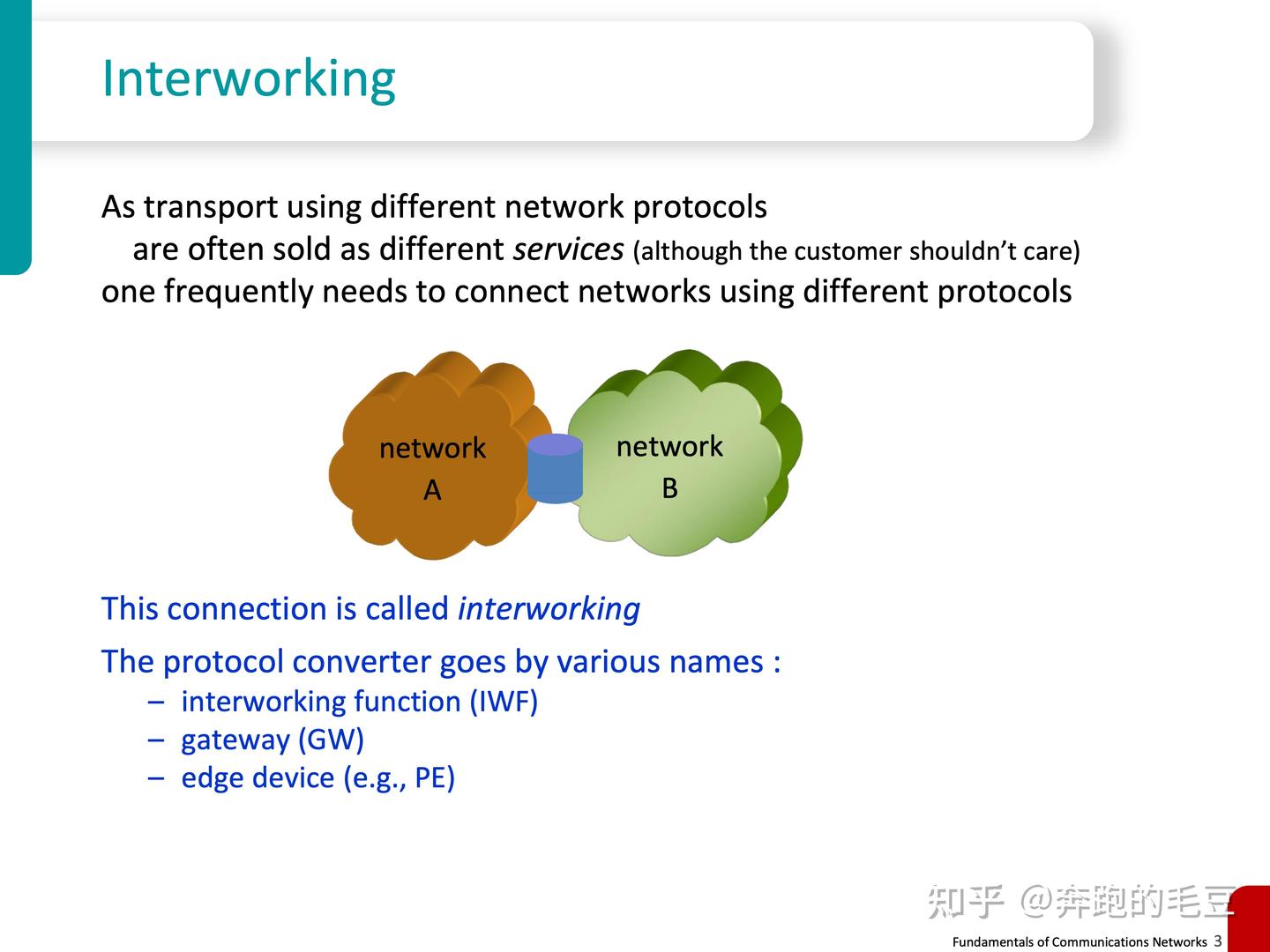
因为早期有不同类型的网络,跑不同的协议,所以当时不同网络互通是个常见的需求,称为“Interworking”
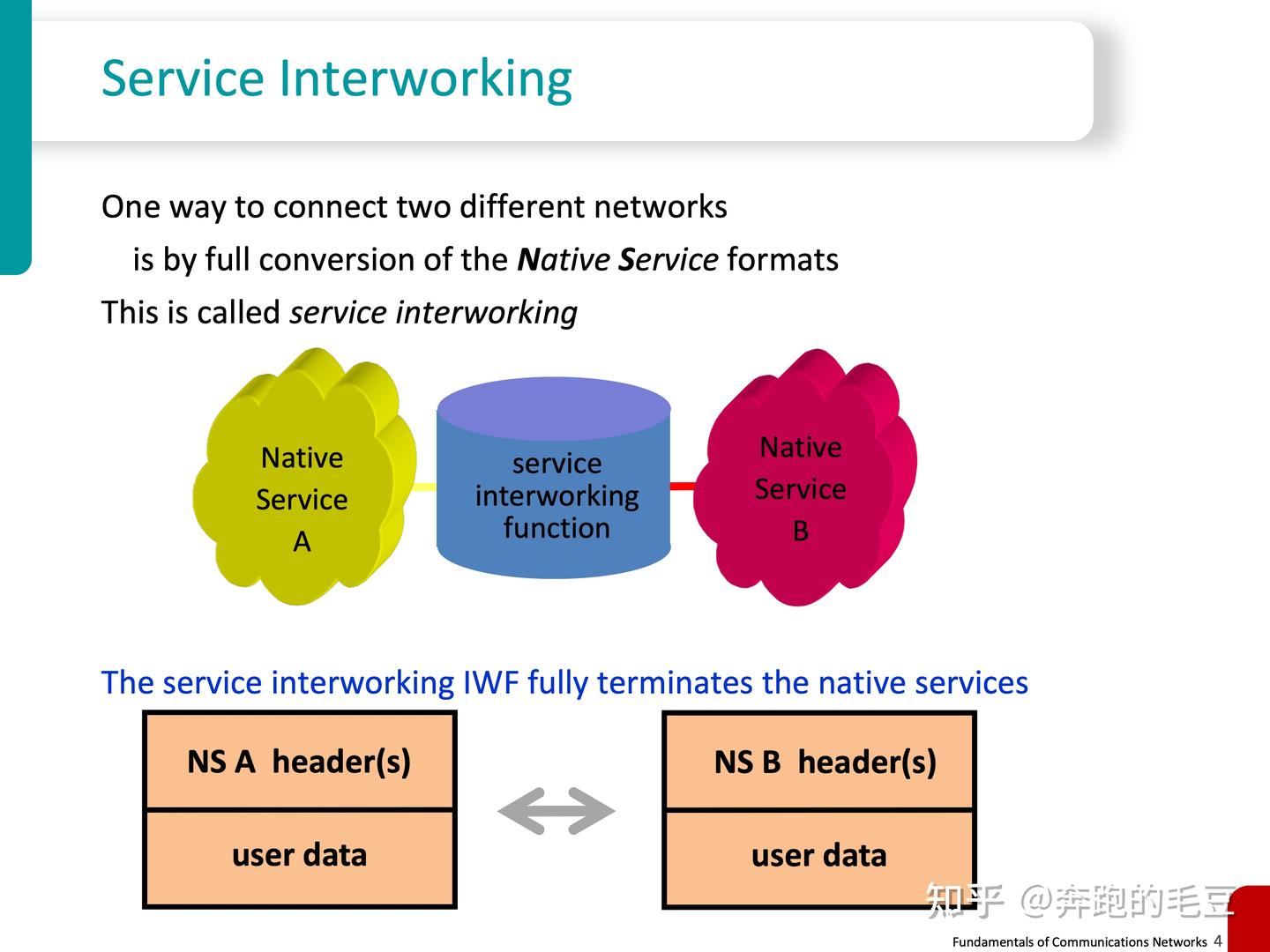
一种连接不同网络的方法是中间设备做终结,然后去往另一张网络的时候发送另一张网络的协议,这种方法叫“Service Interworking”
另一种方法称为“Network interworking”或者叫“Tunneling”,用在两边网络都跑同一种协议的场景。
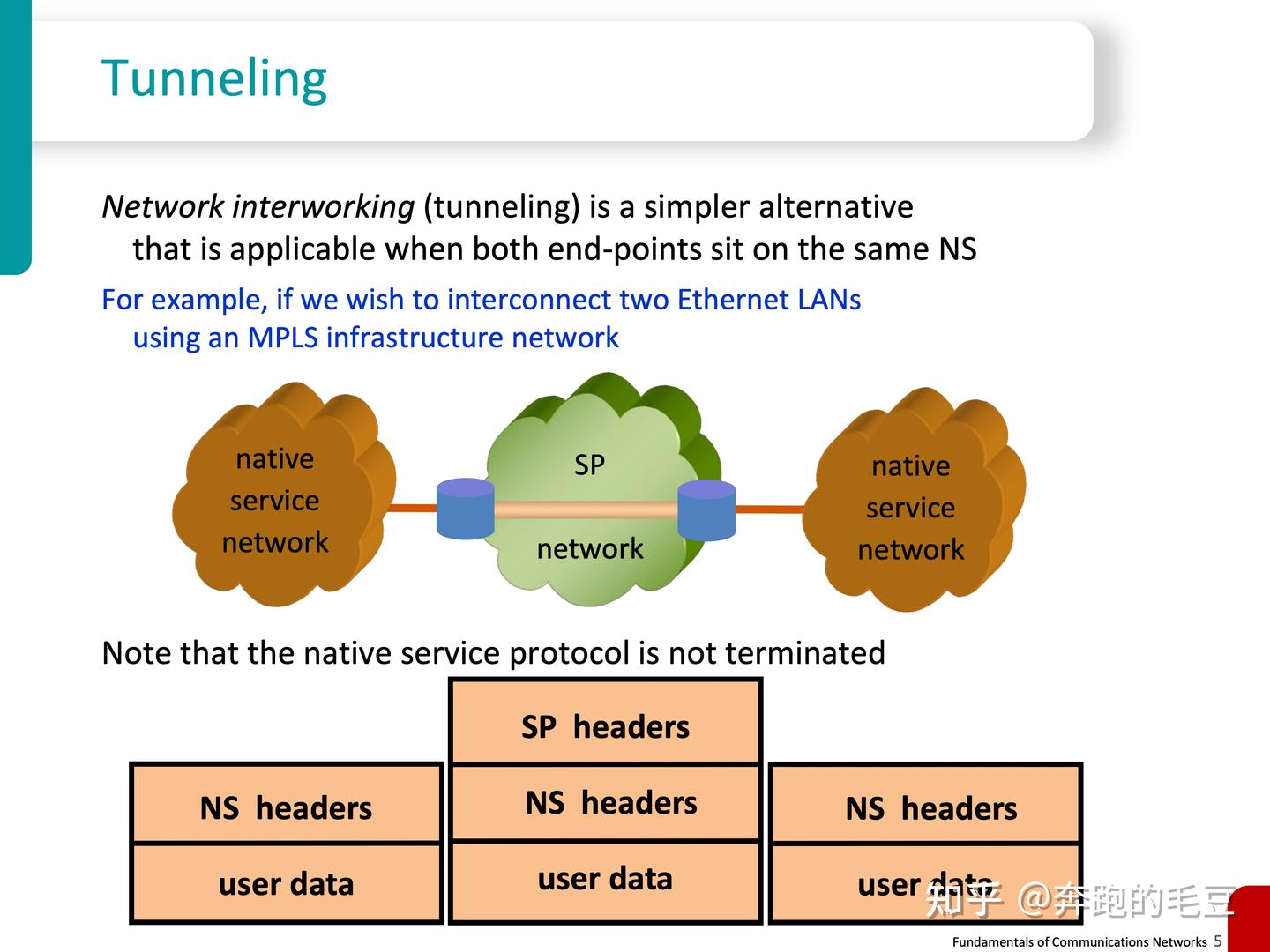
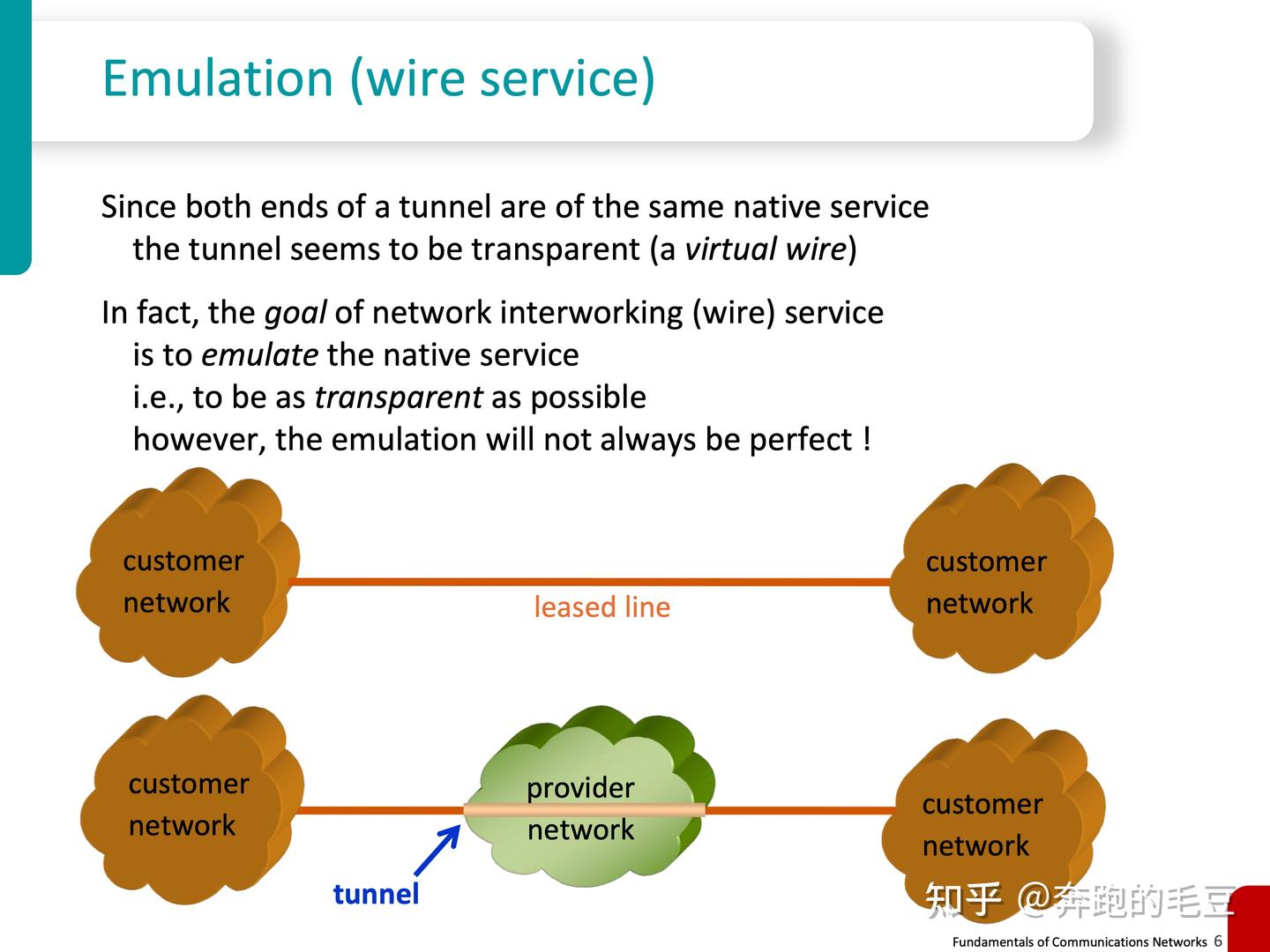
“Tunneling”的方法,对于两边网络来说,中间像是被“模拟”(“Emulation”)成了透明的一条“线”(“wire”)
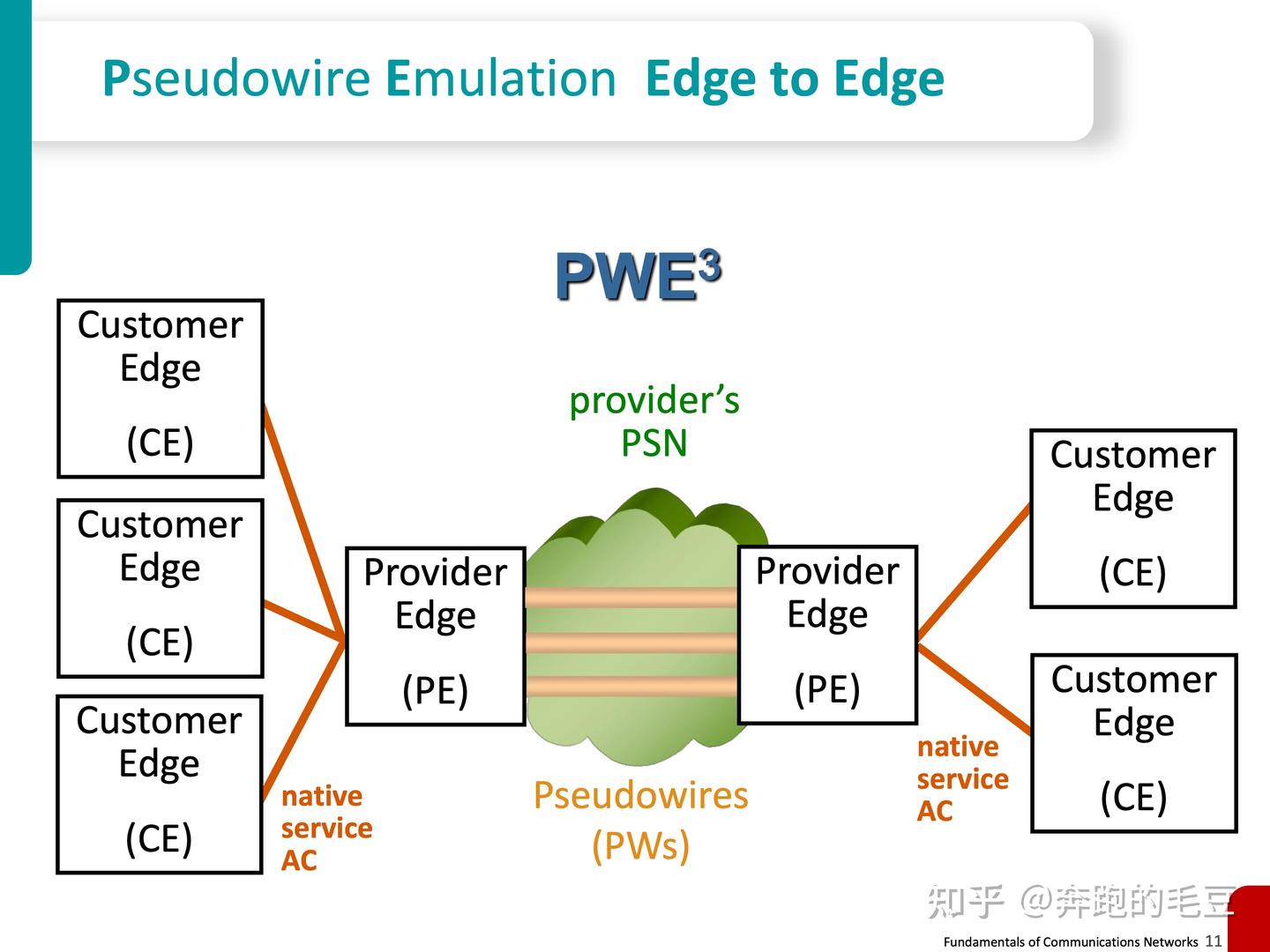
端到端的模拟
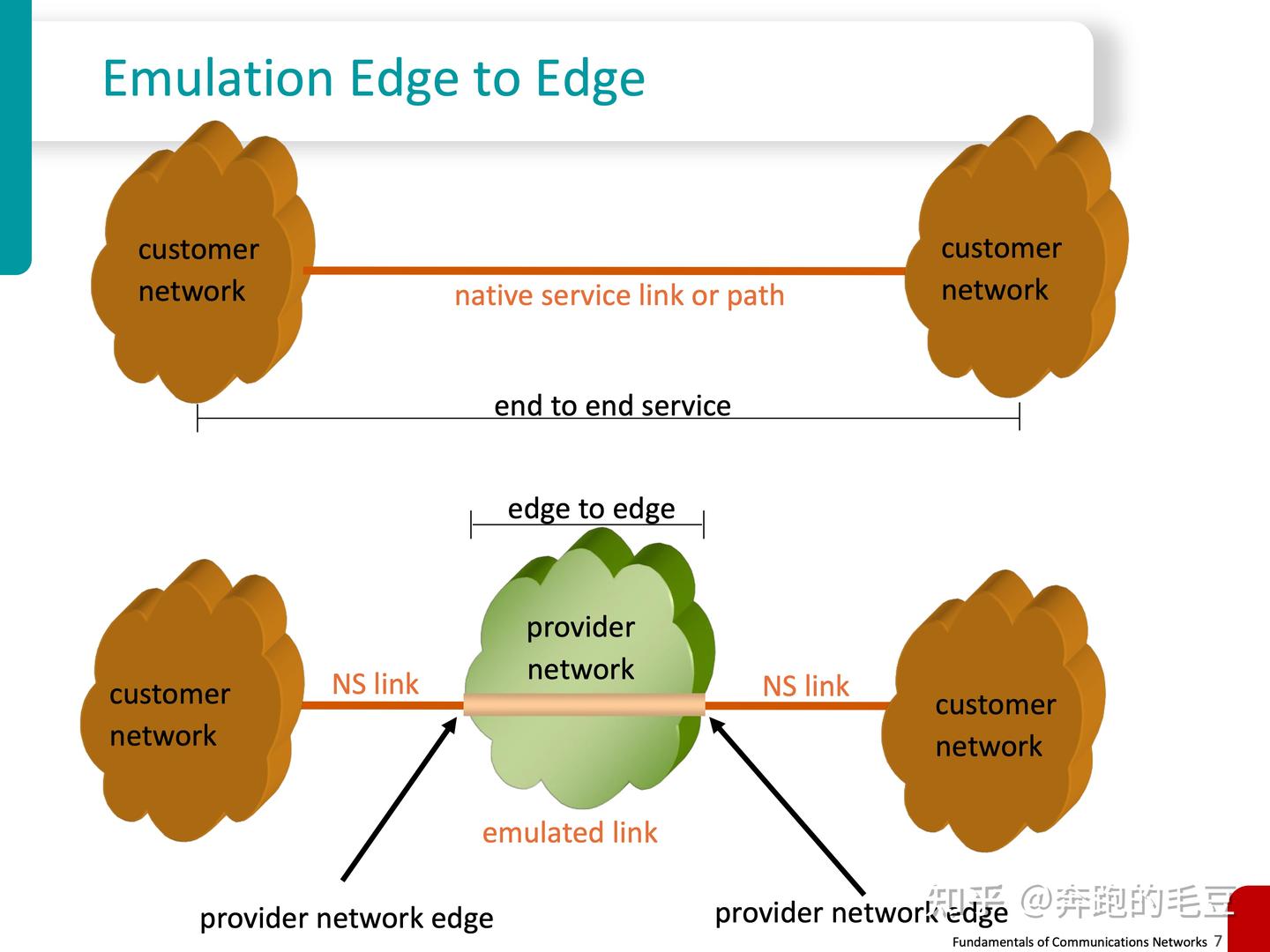
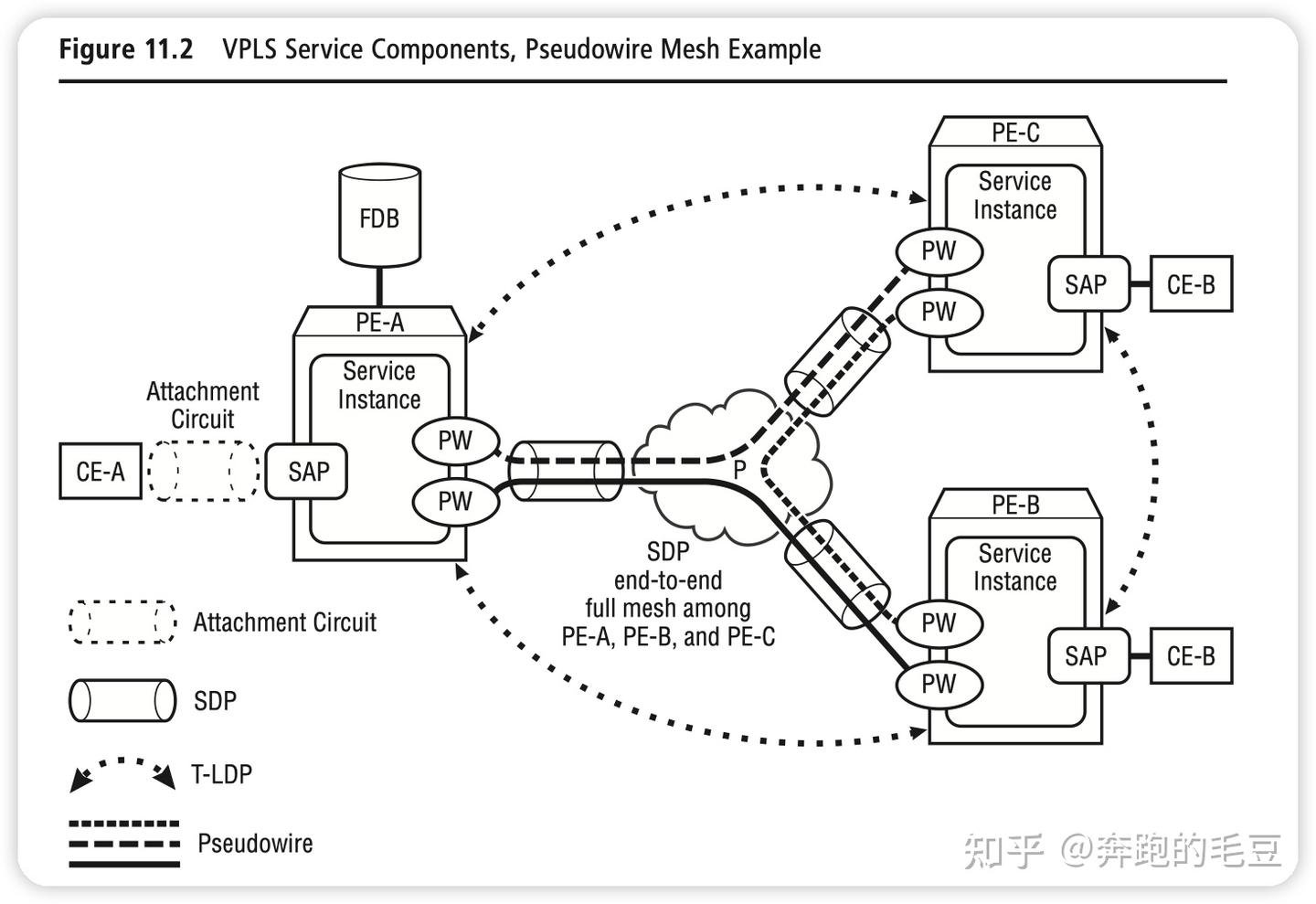
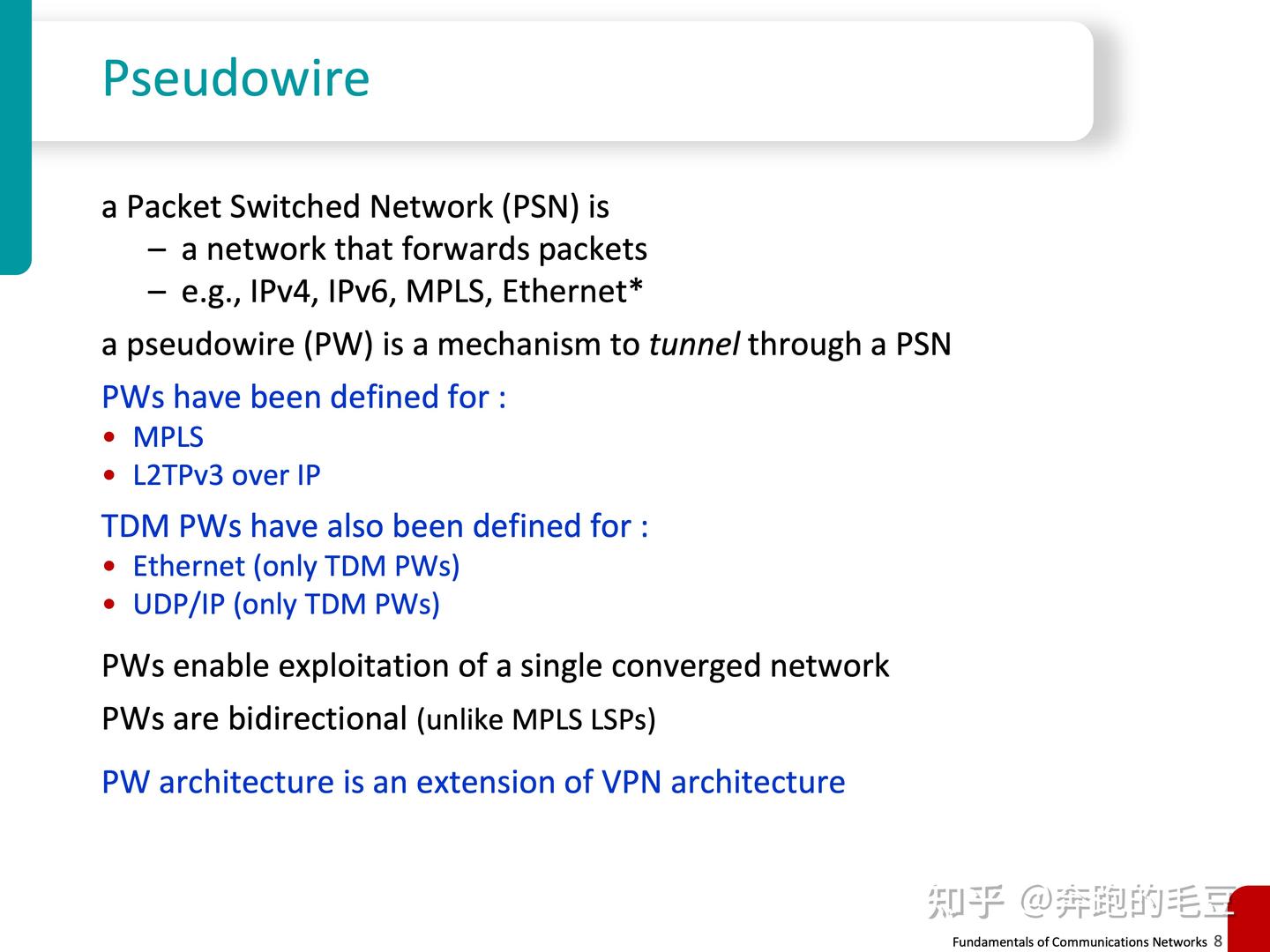
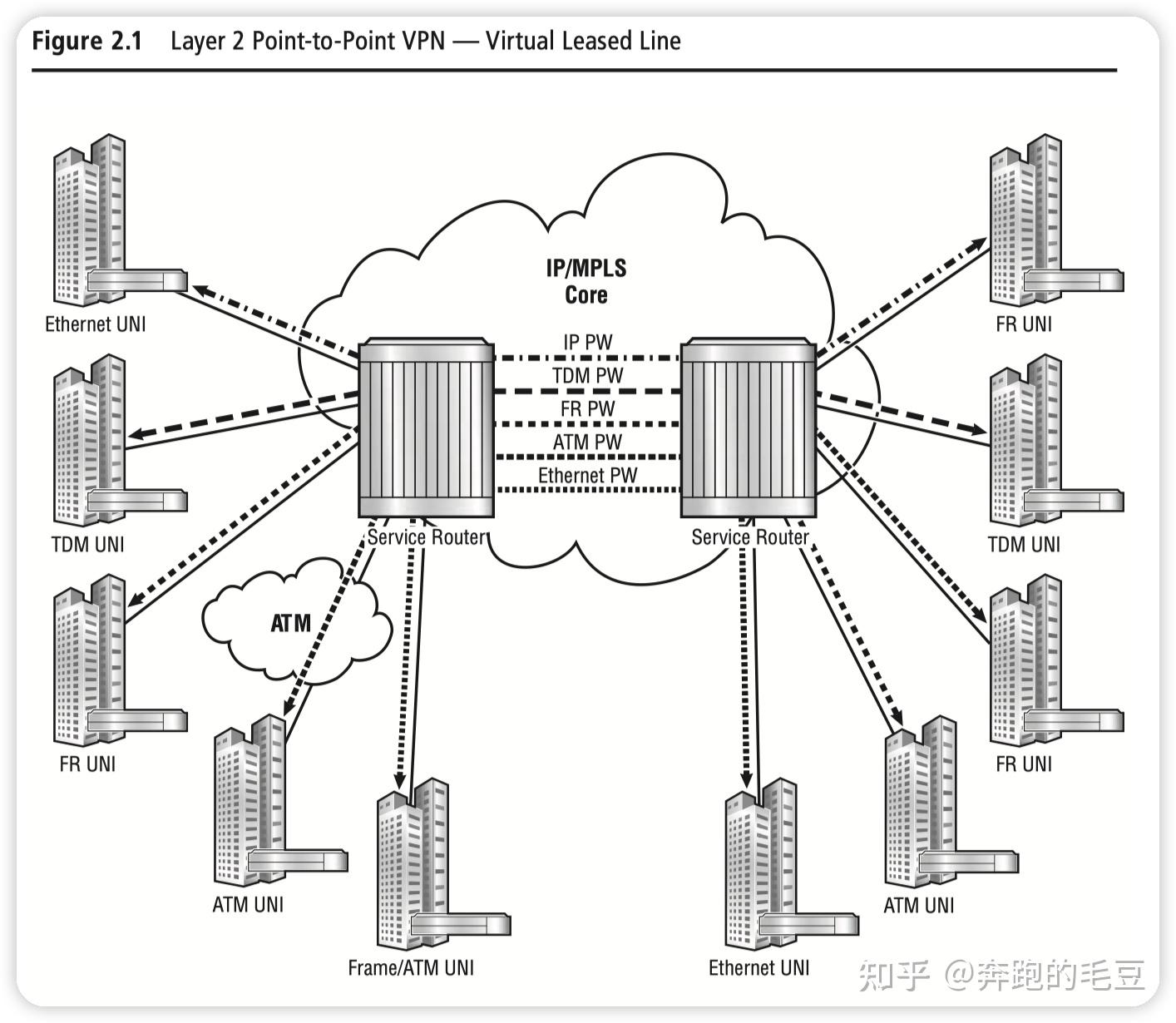
In computer networking and telecommunications, a pseudowire (PW) is an emulation of a native service over a packet-switched network (PSN). The native service may be ATM, Frame Relay, Ethernet, low-rate TDM, or SONET/SDH, while the PSN may be MPLS, IP (either IPv4 or IPv6), or L2TPv3. - Wiki The pseudowire is a logical point-to-point MPLS connection between two service routers participating in the same service. - <Designing and Implementing IP MPLS-Based Ethernet Layer 2 VPN Services>
伪(Pseudo)线(Wire) – 很形象的名字
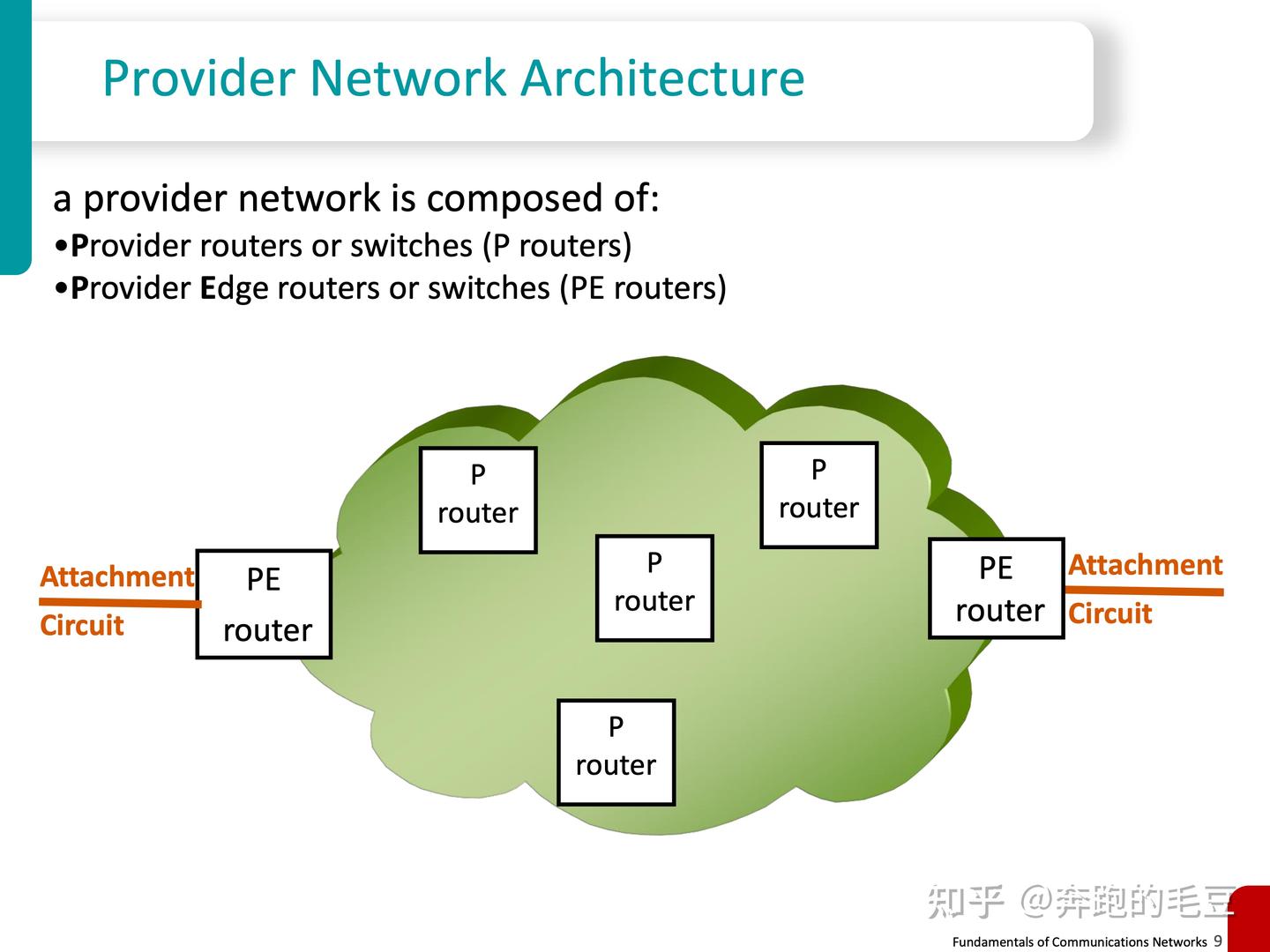
运营商网络PE和P角色的概念
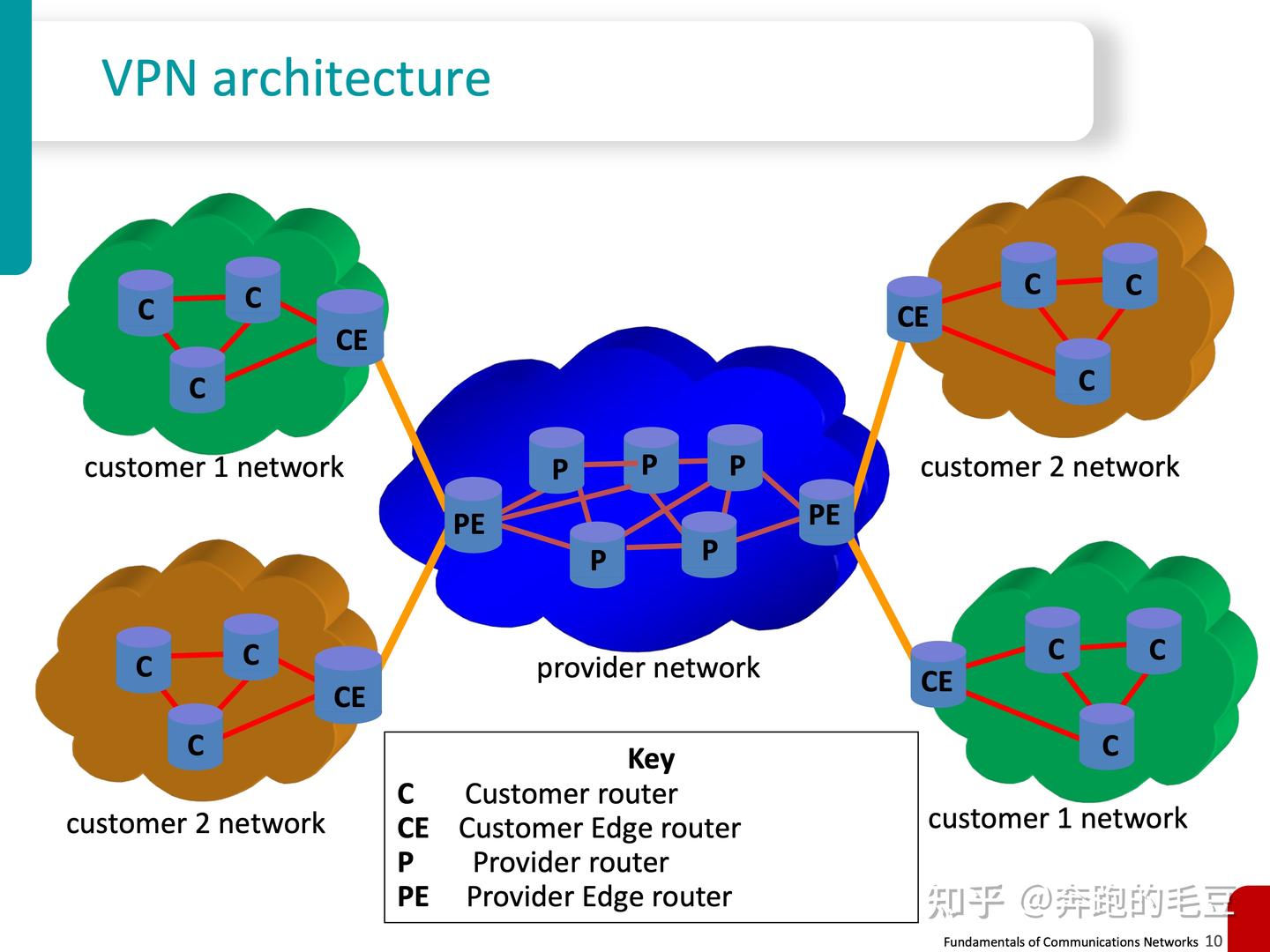
VPN的概念
PWE3的概念,PWE3准确的说是一种模型
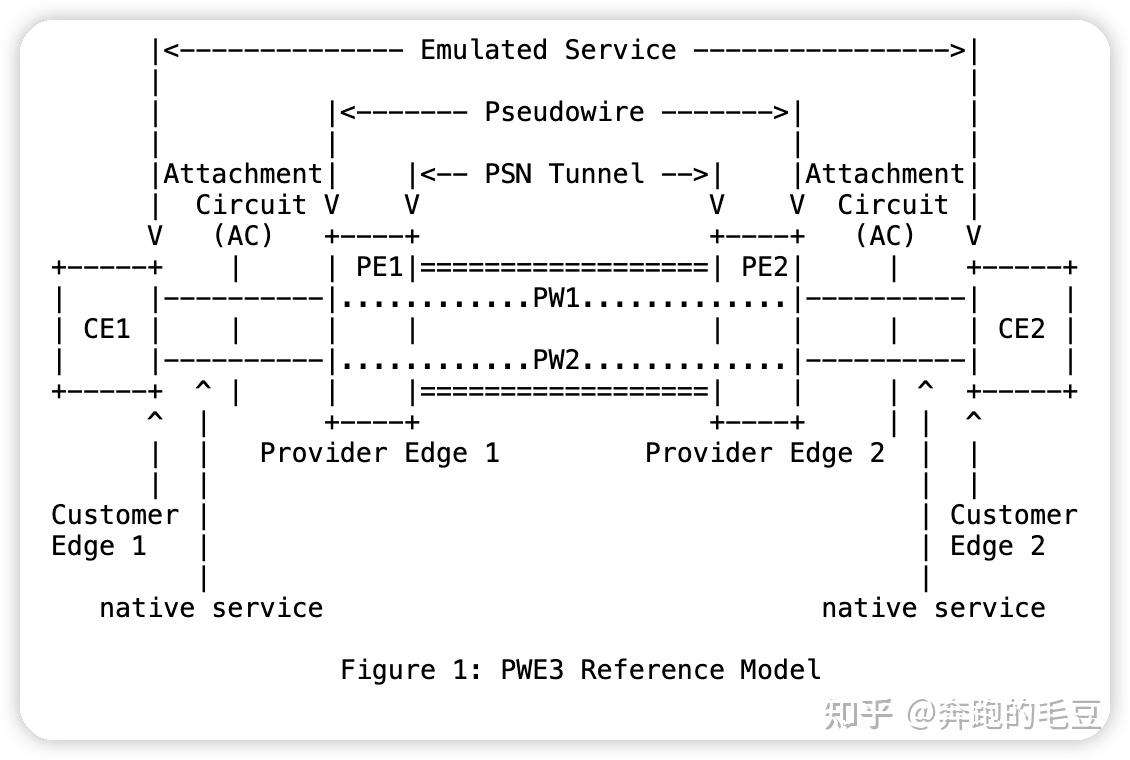
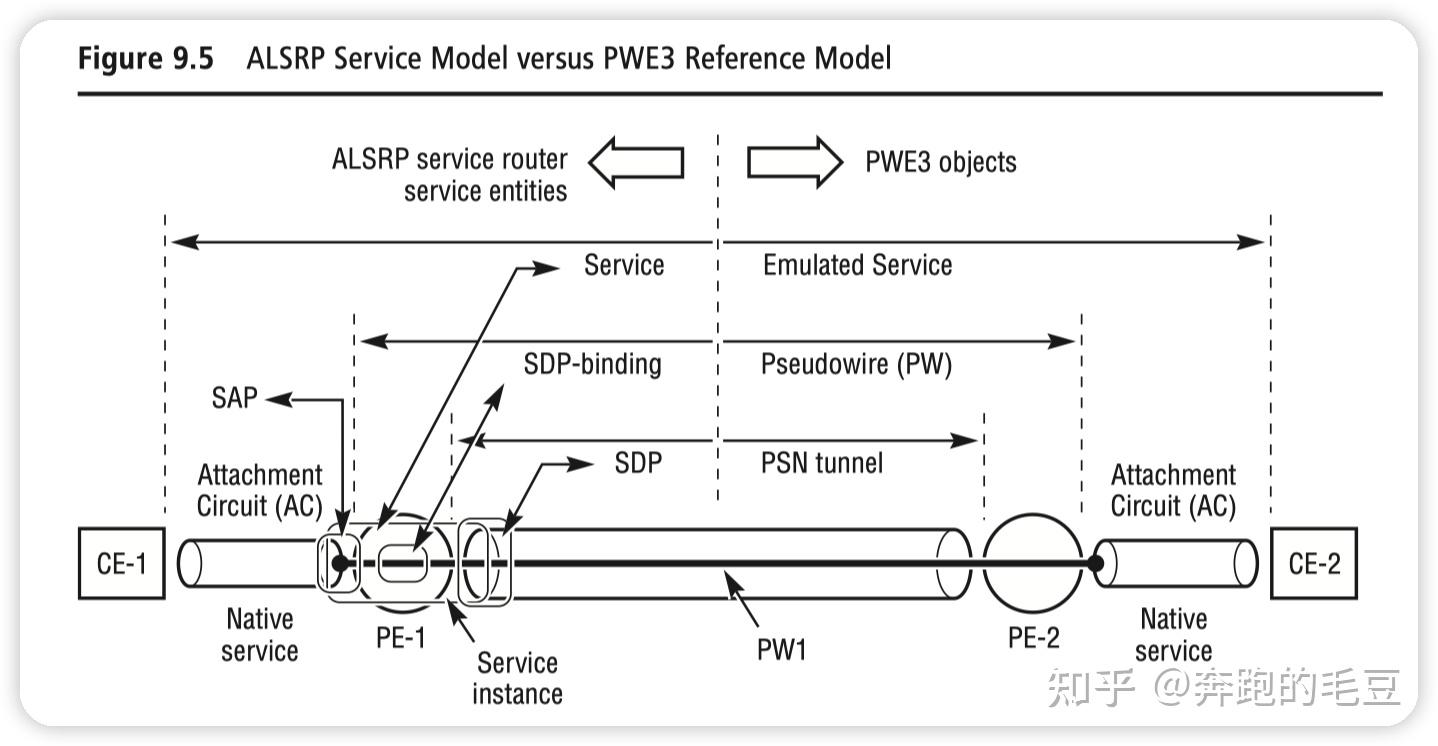
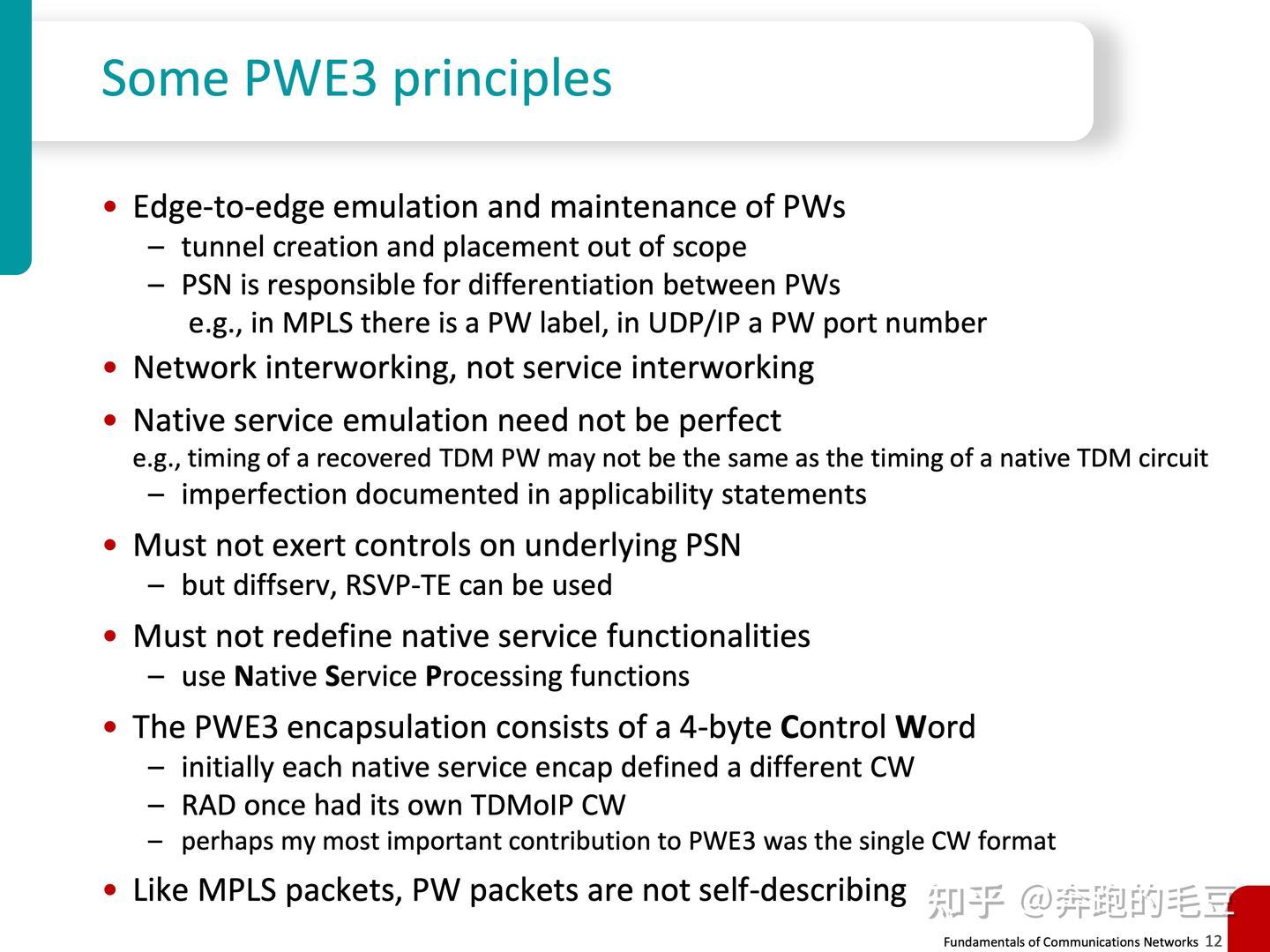
PWE3的一些原则
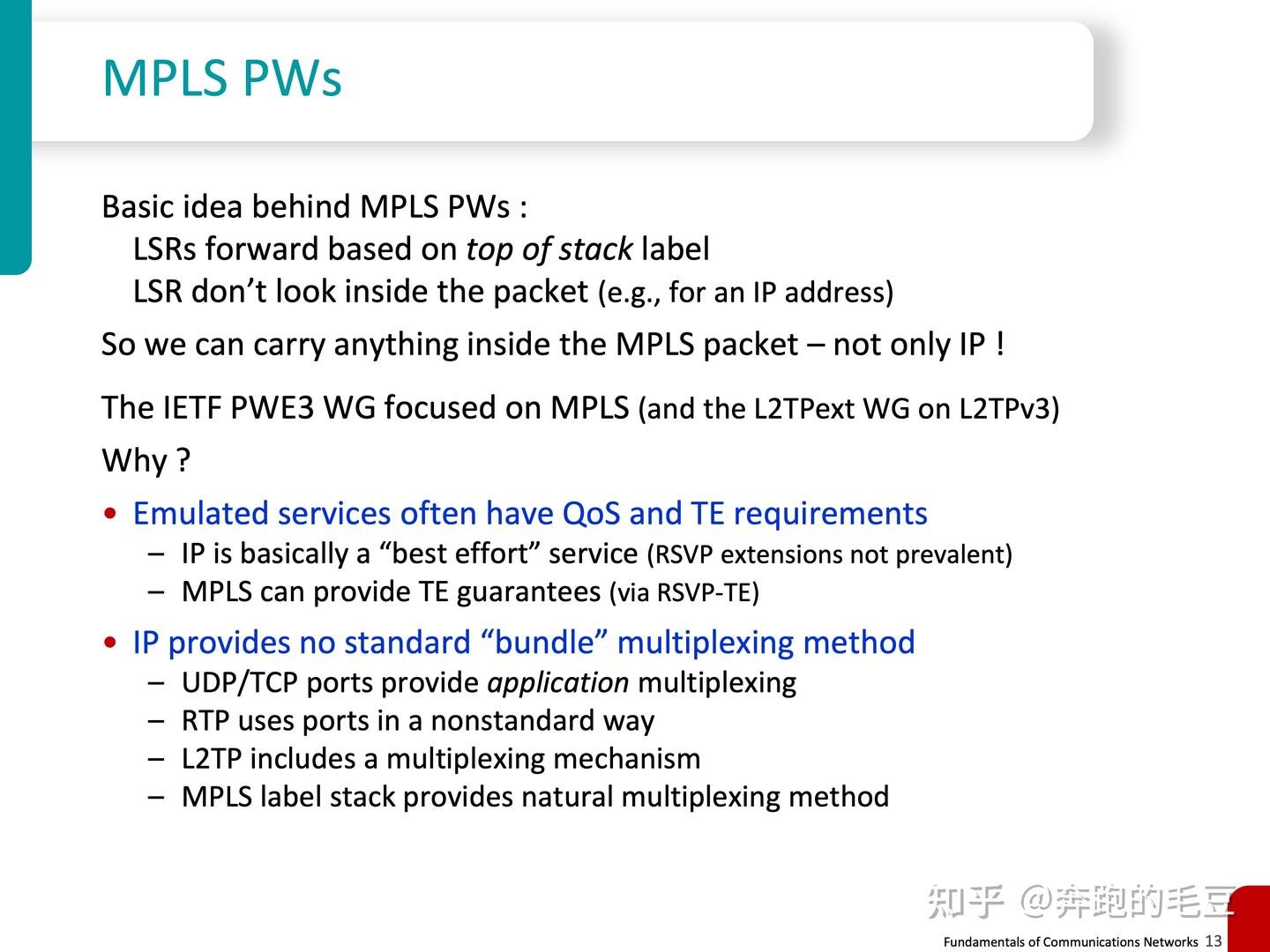
IETF PWE3工作组聚焦研究MPLS技术的PW(所以现在看到的L2VPN技术都是IETF定义出来的)。这里也分析了为什么最终选择了MPLS作为PW的主流技术,而不是IP。
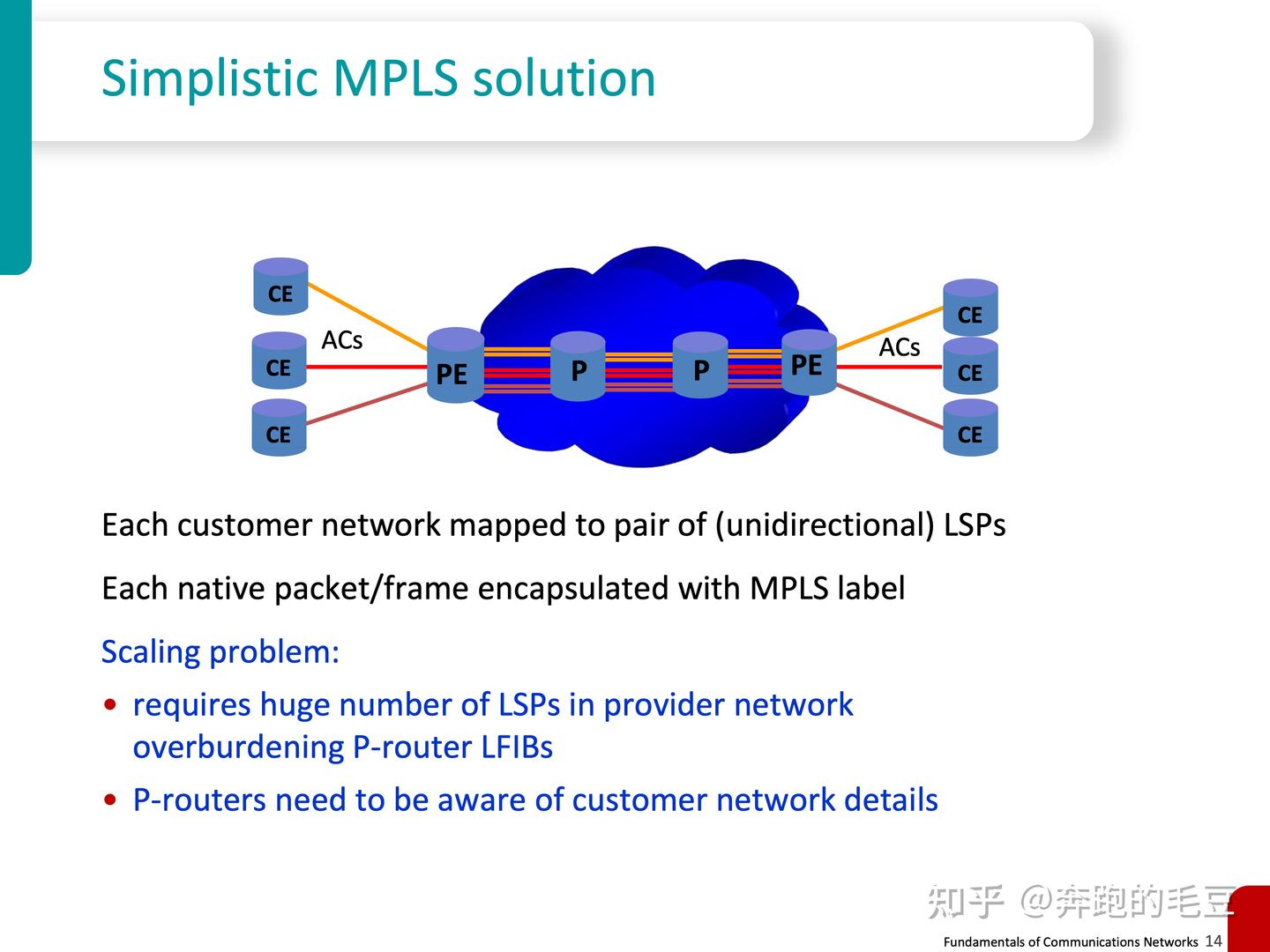
MPLS方案
Martini PW,最早的标准之一
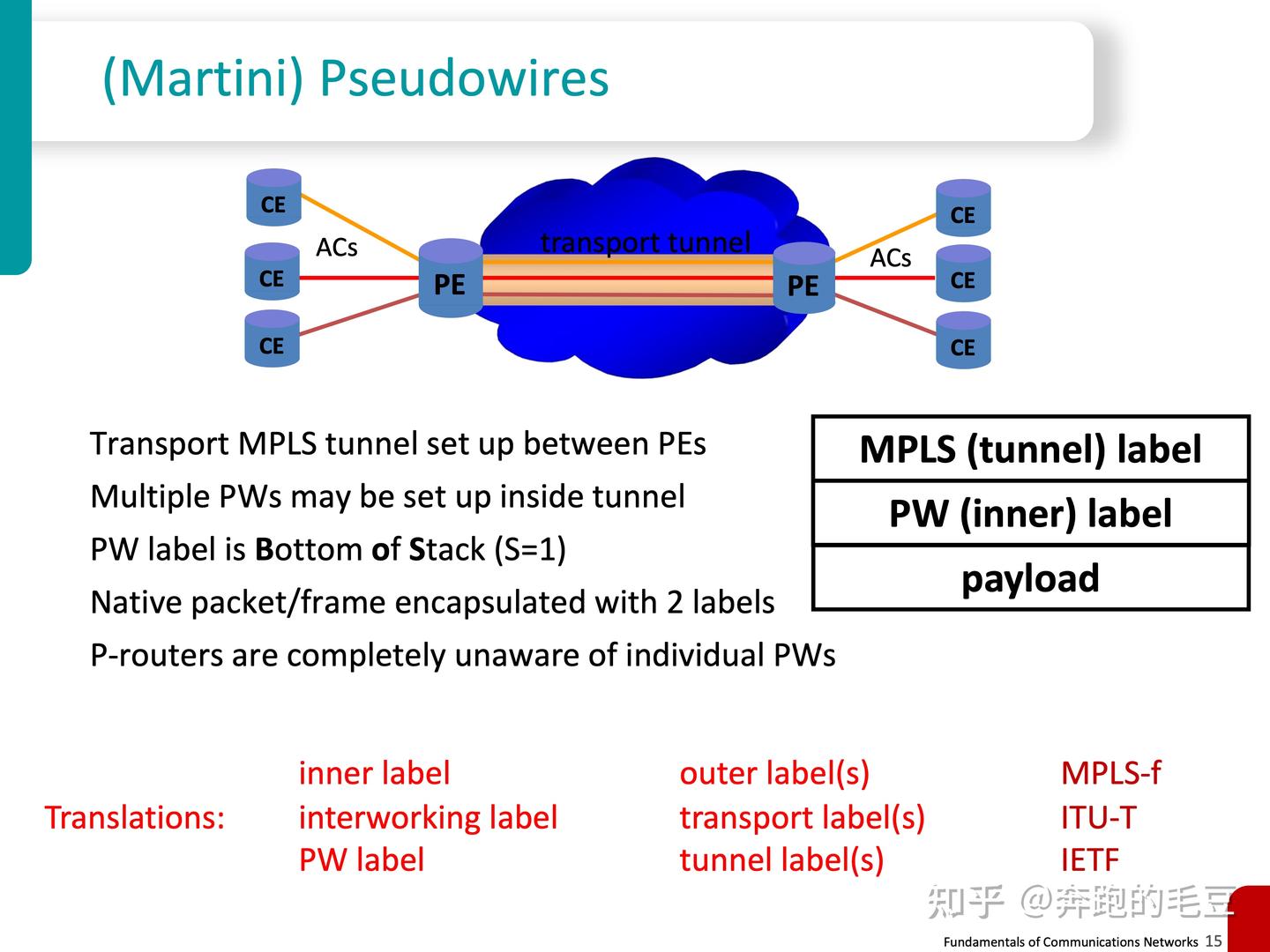
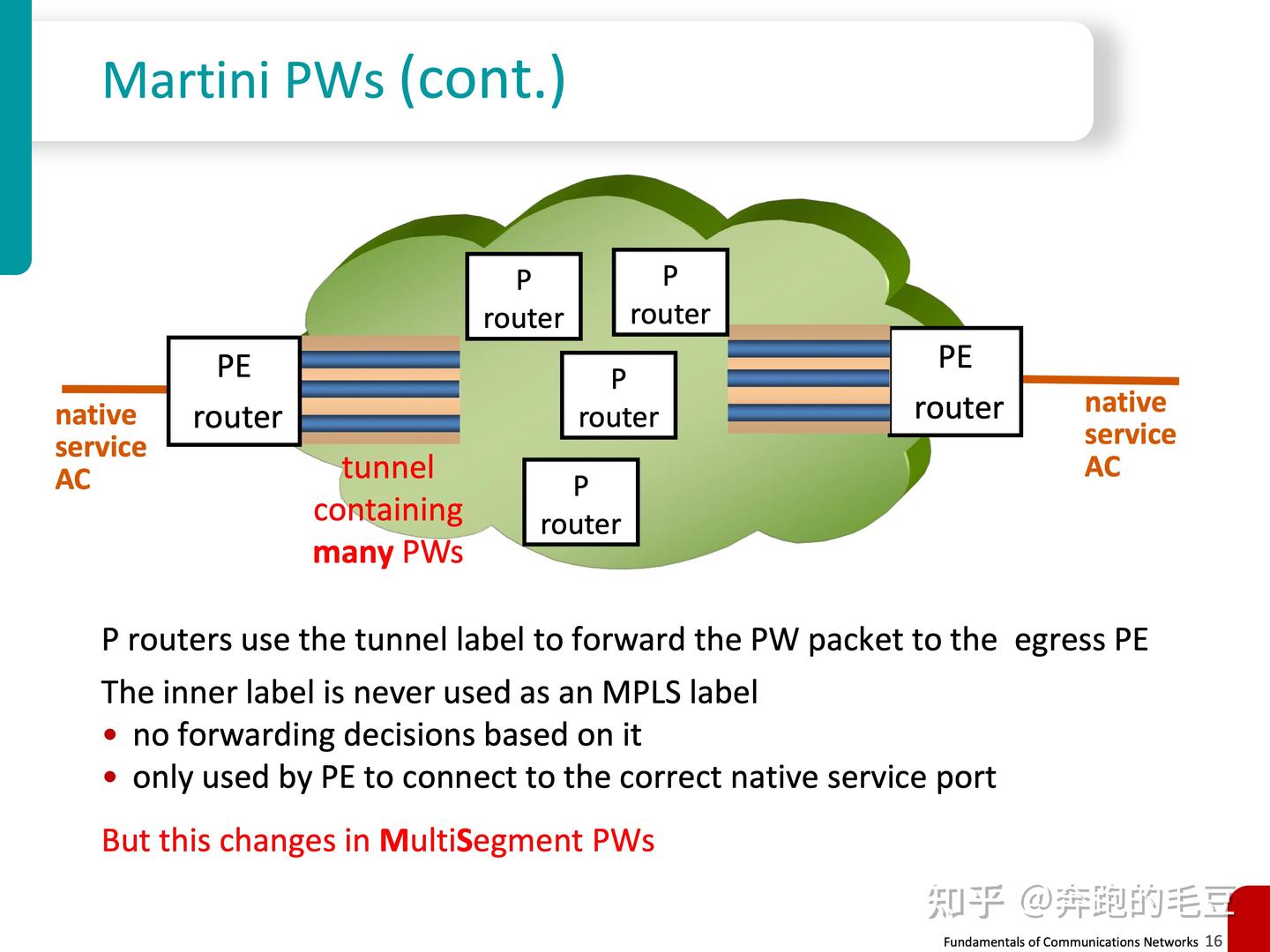
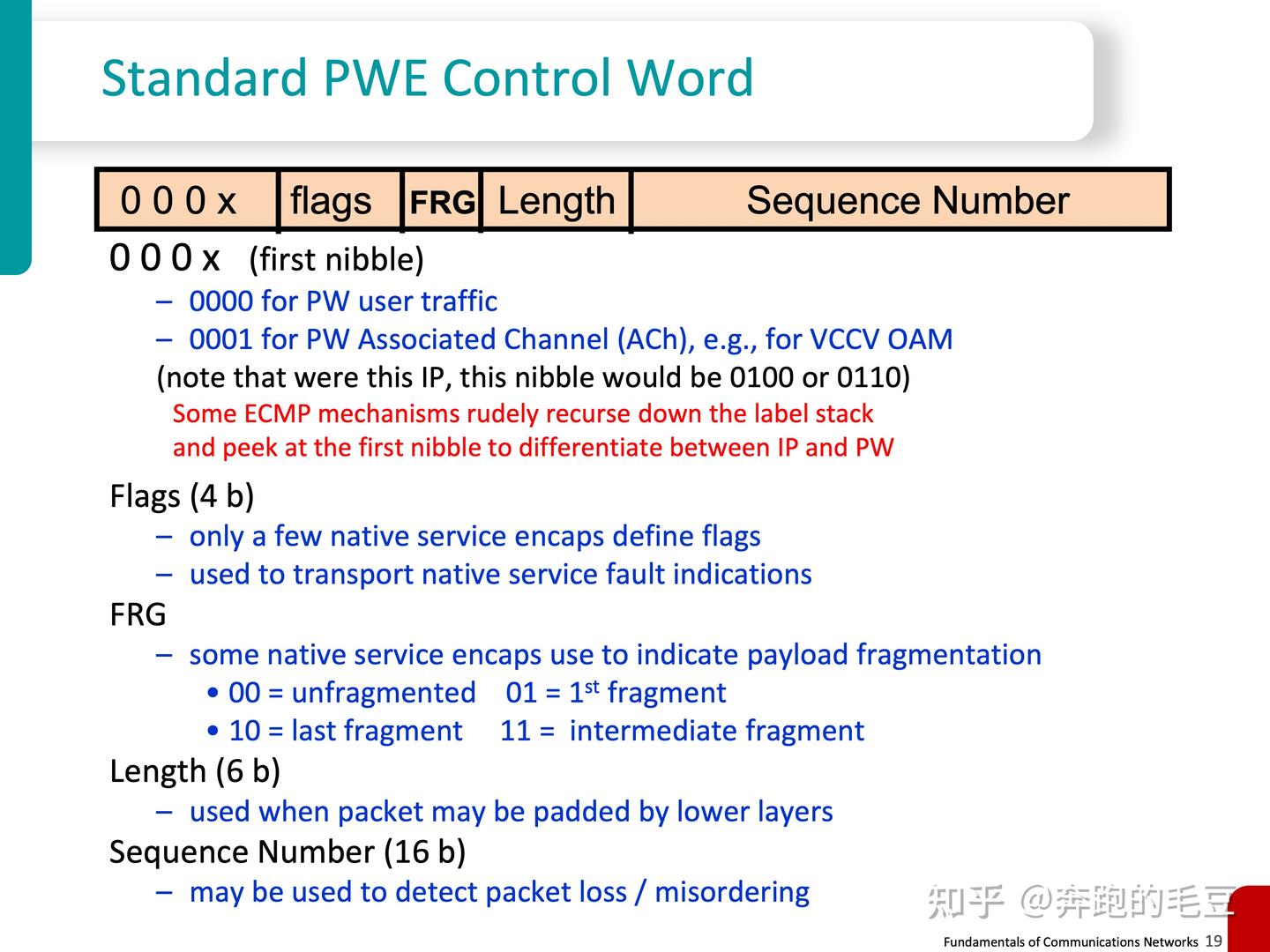
PW报文
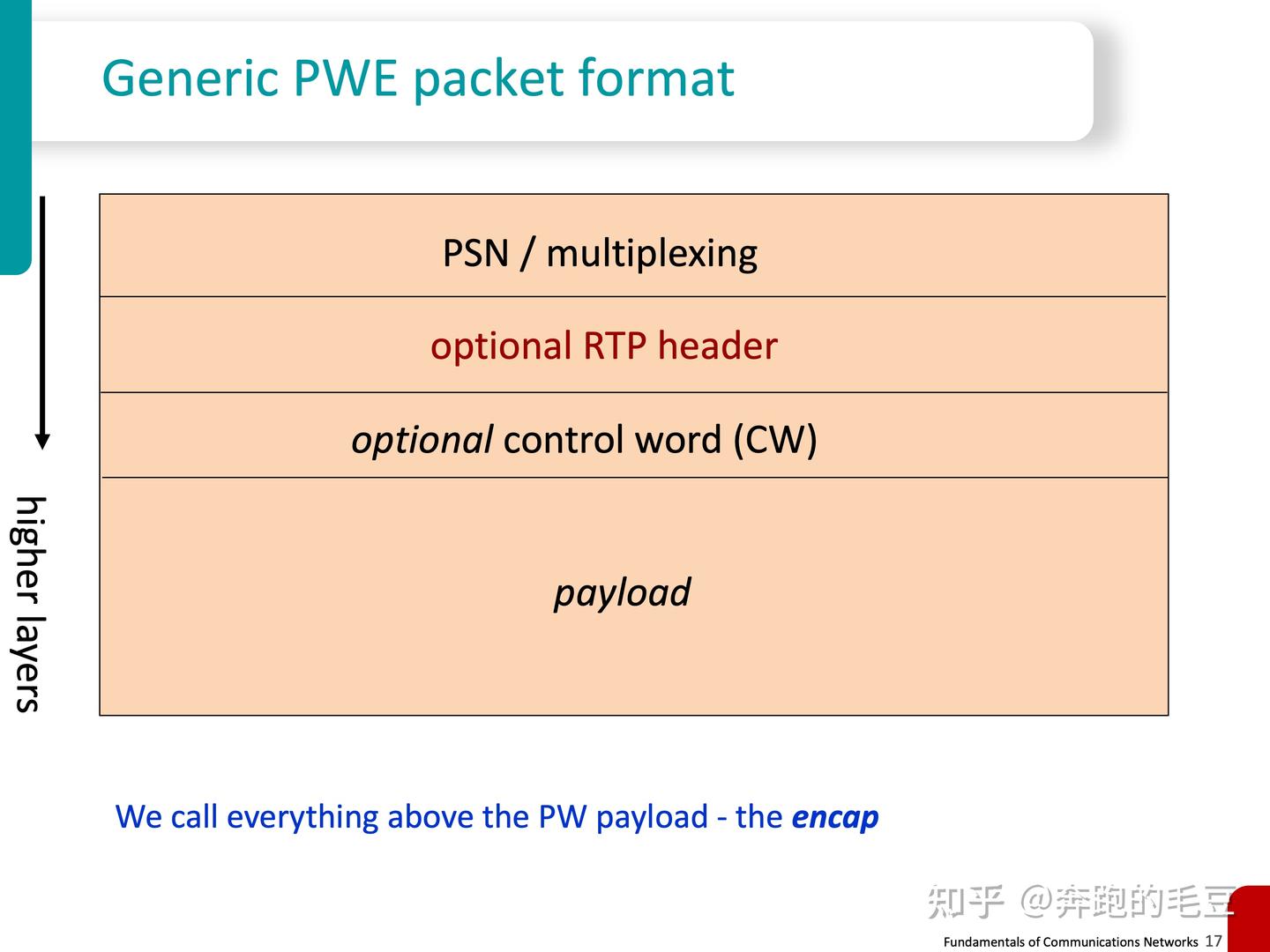
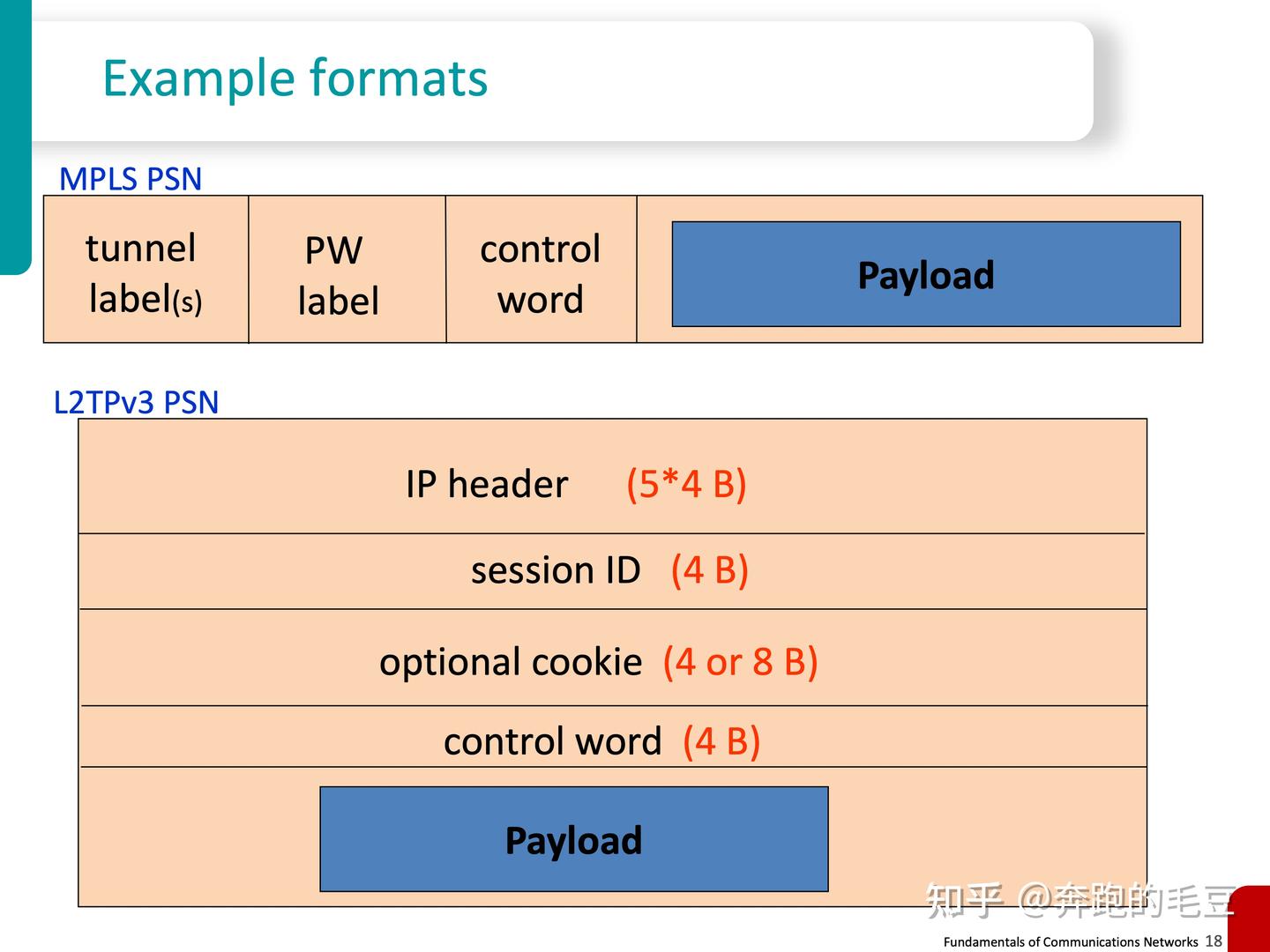
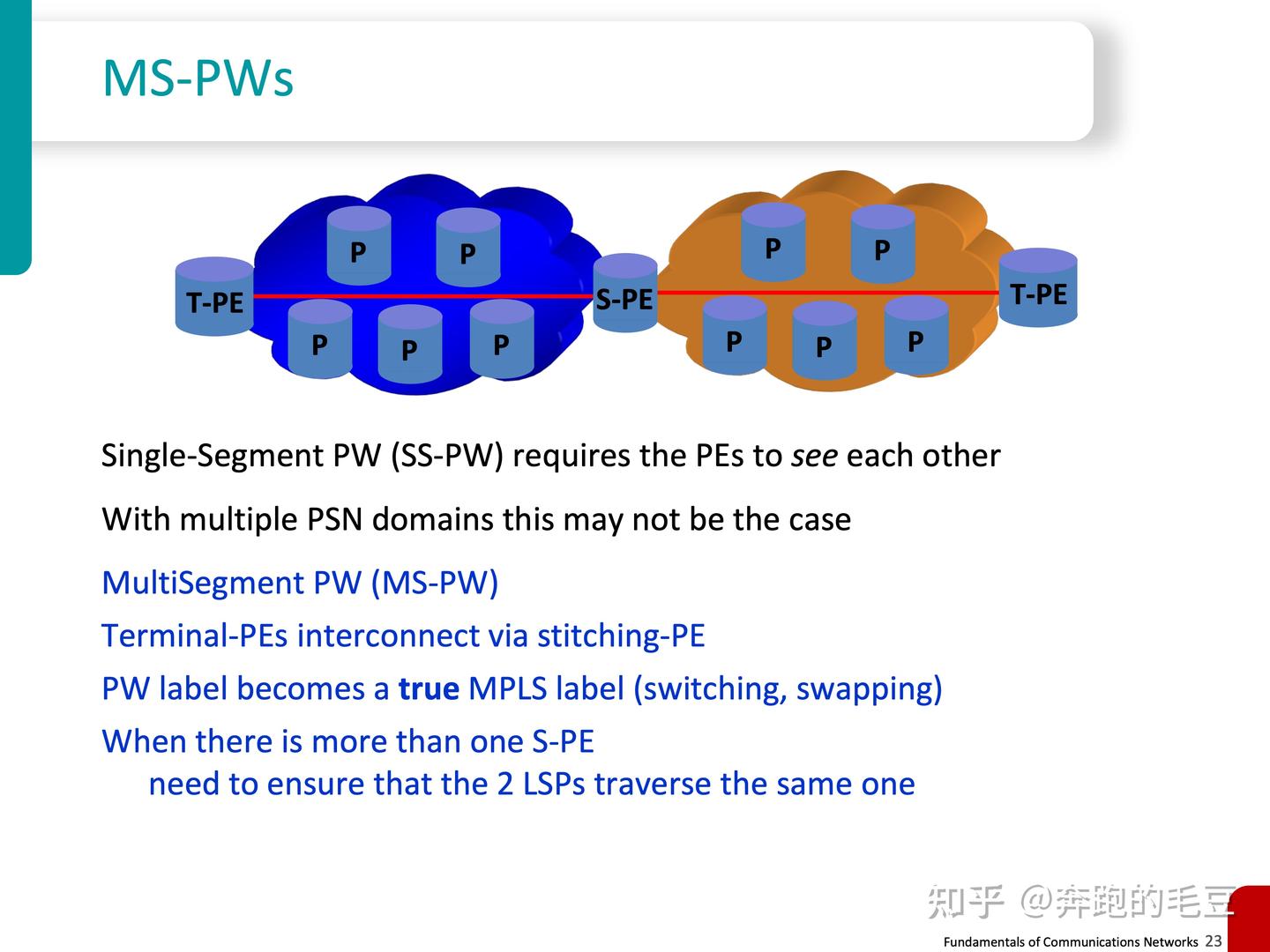
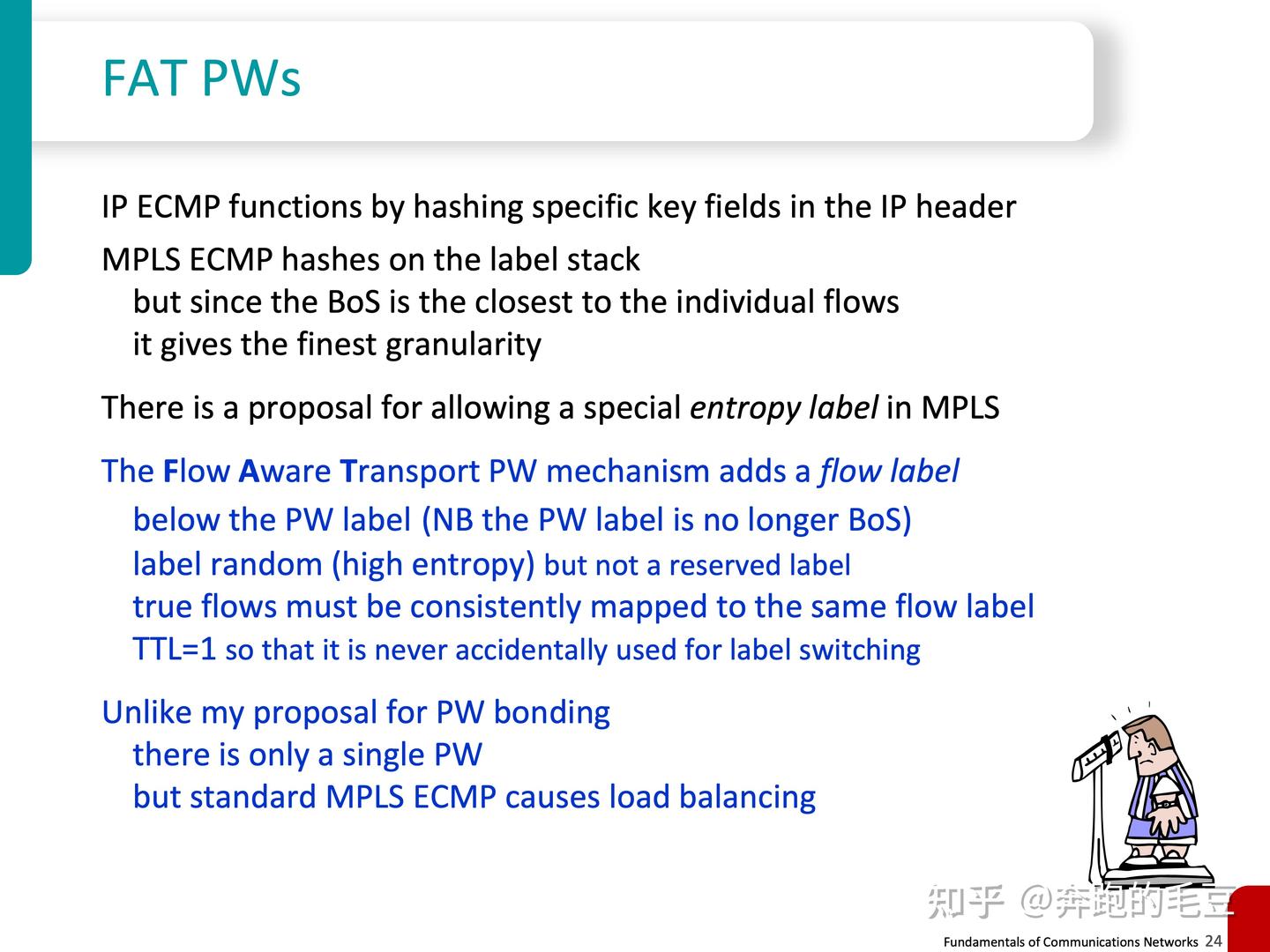
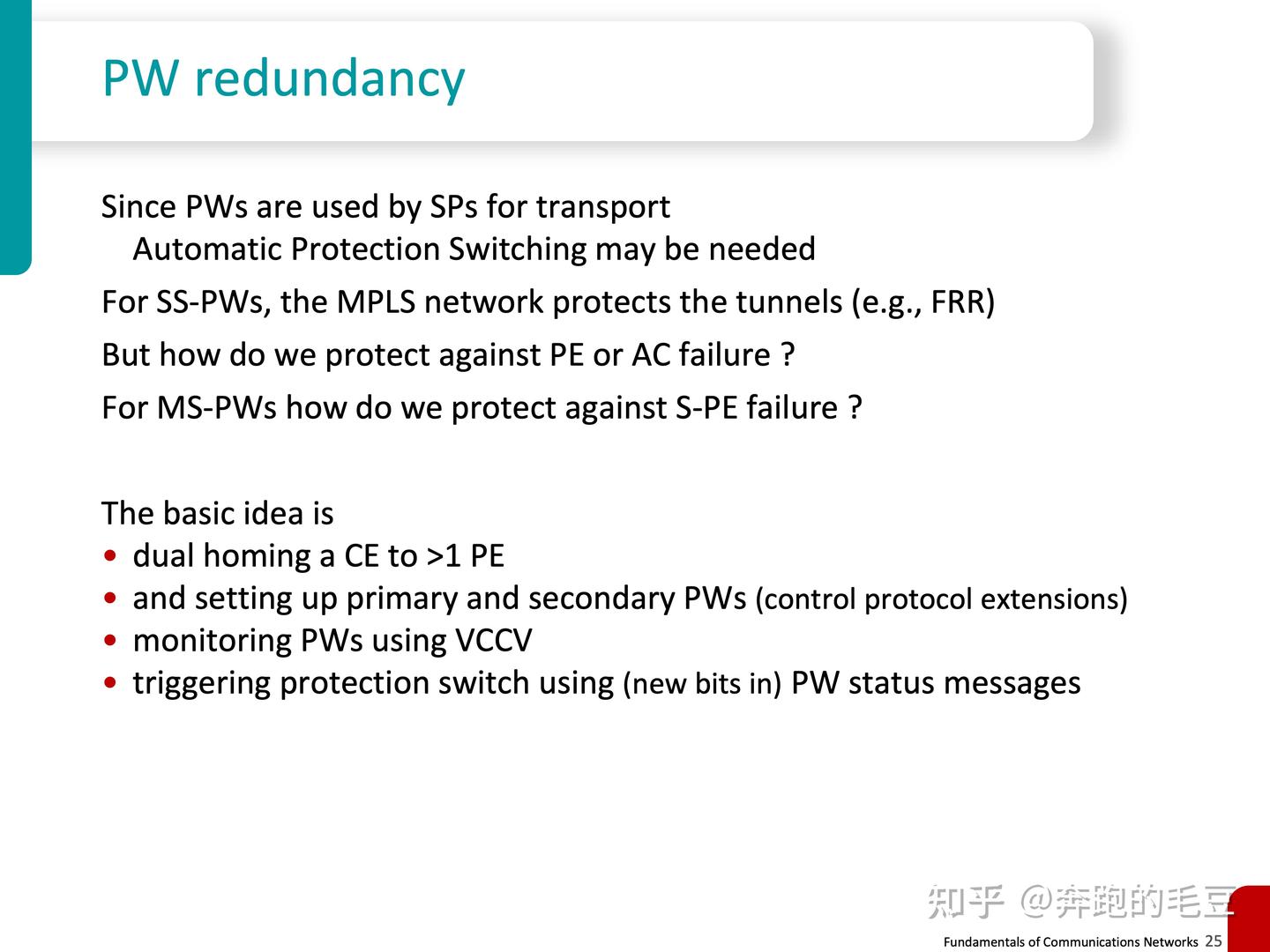
PW交换,负载分担和保护
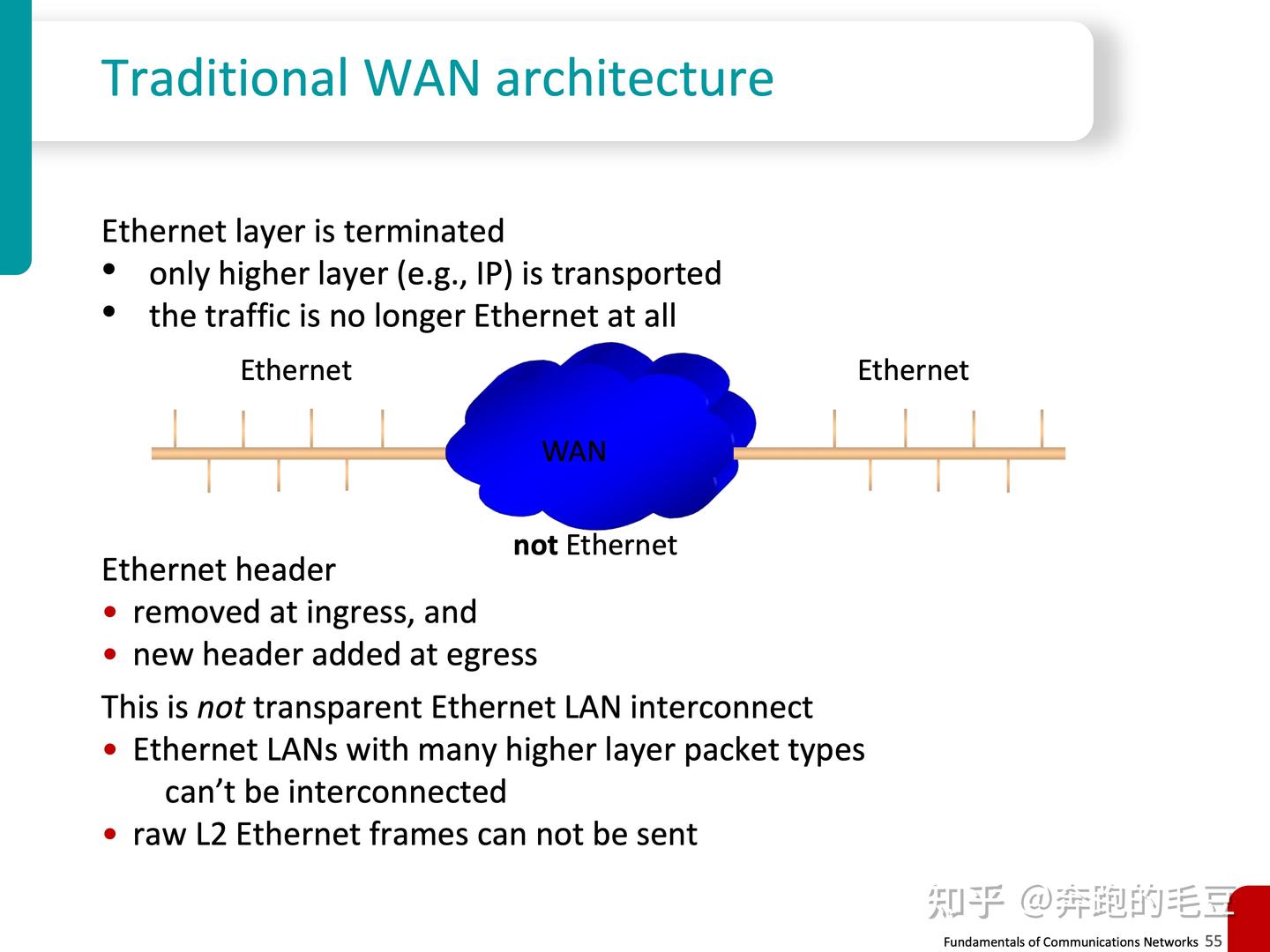
传统LAN和LAN之间互通,需要经过WAN
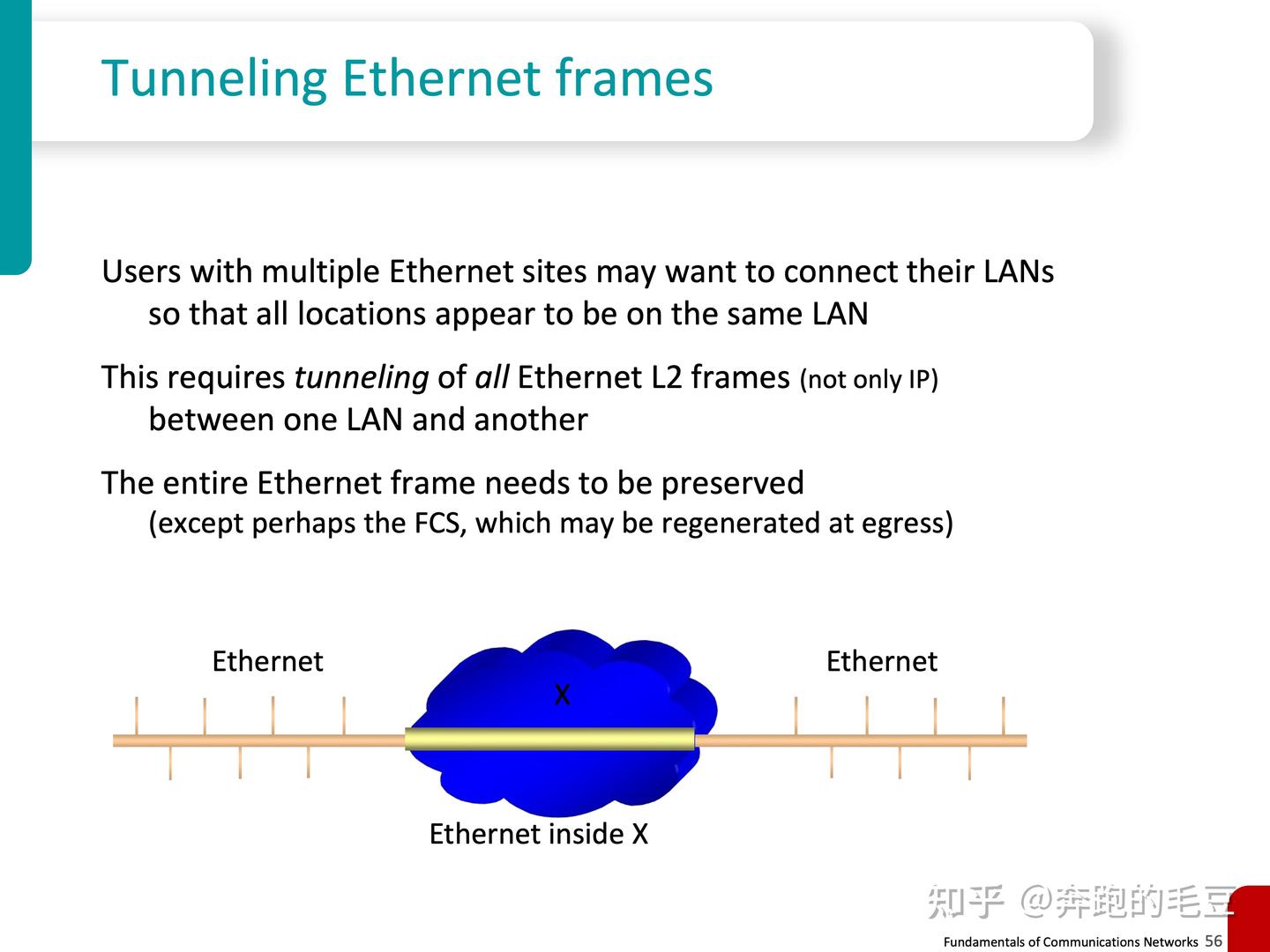
不同的LAN用户希望互通,像是在一个大LAN里面
Ethernet PWs已经成为主流
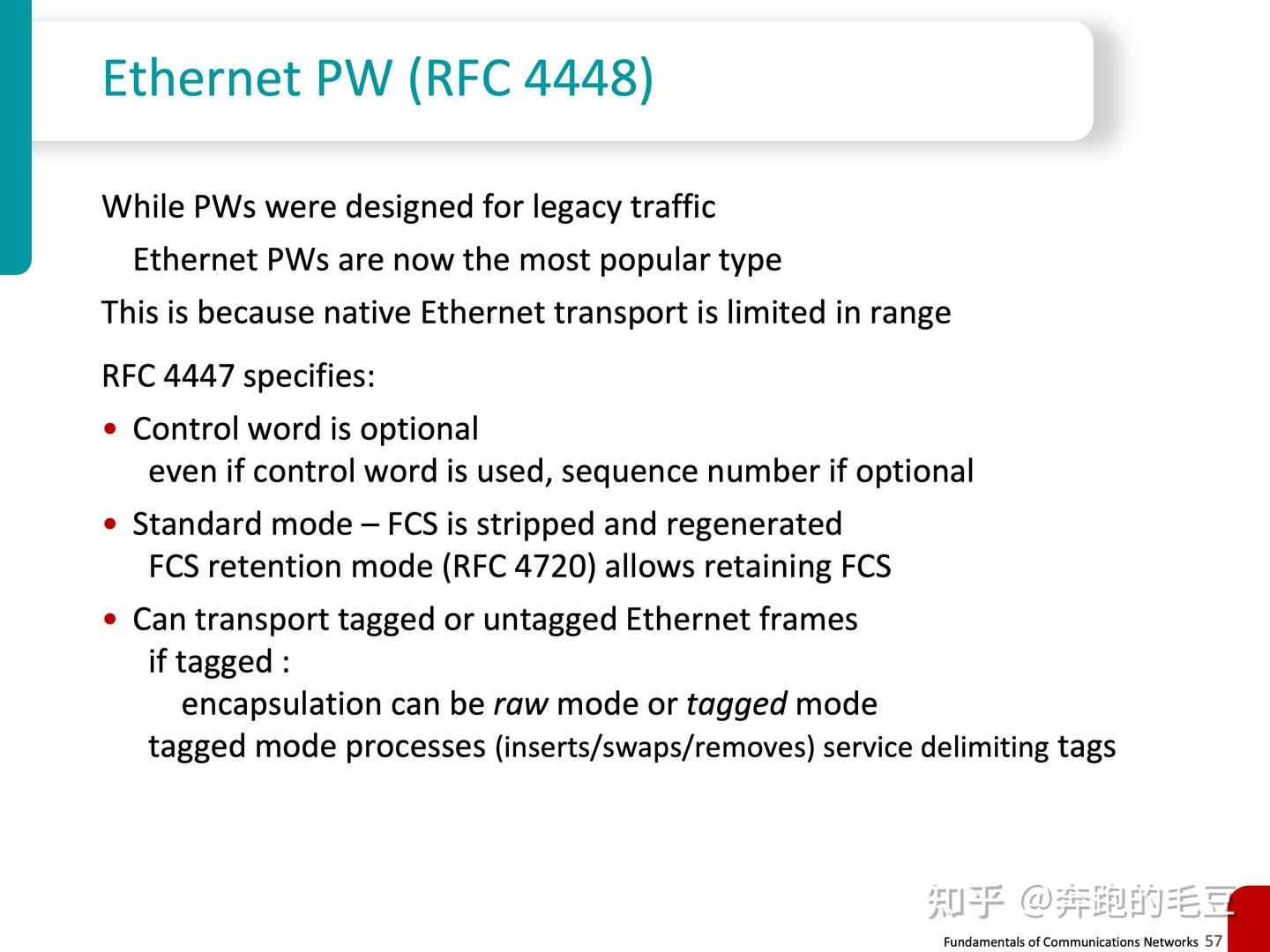
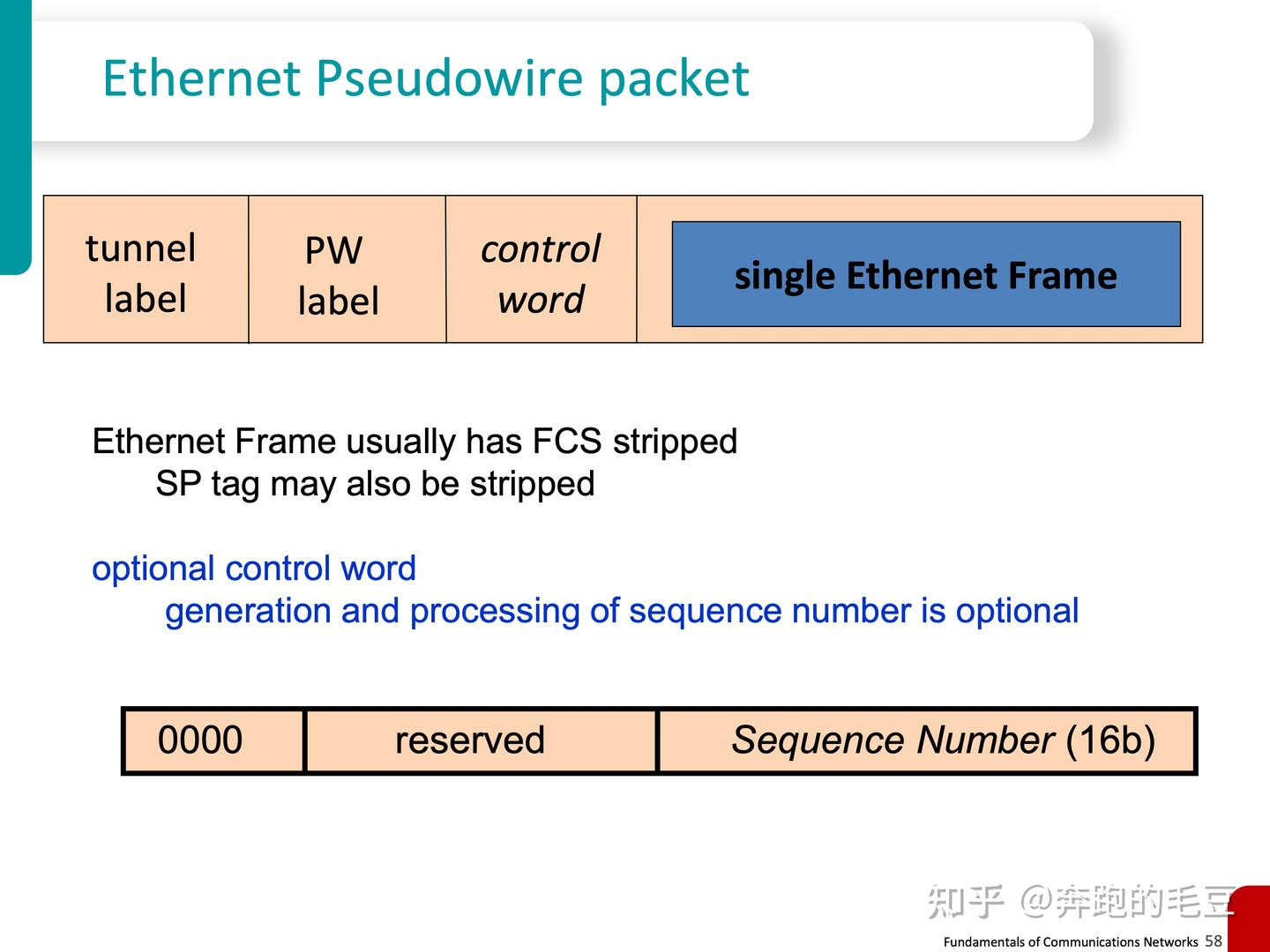
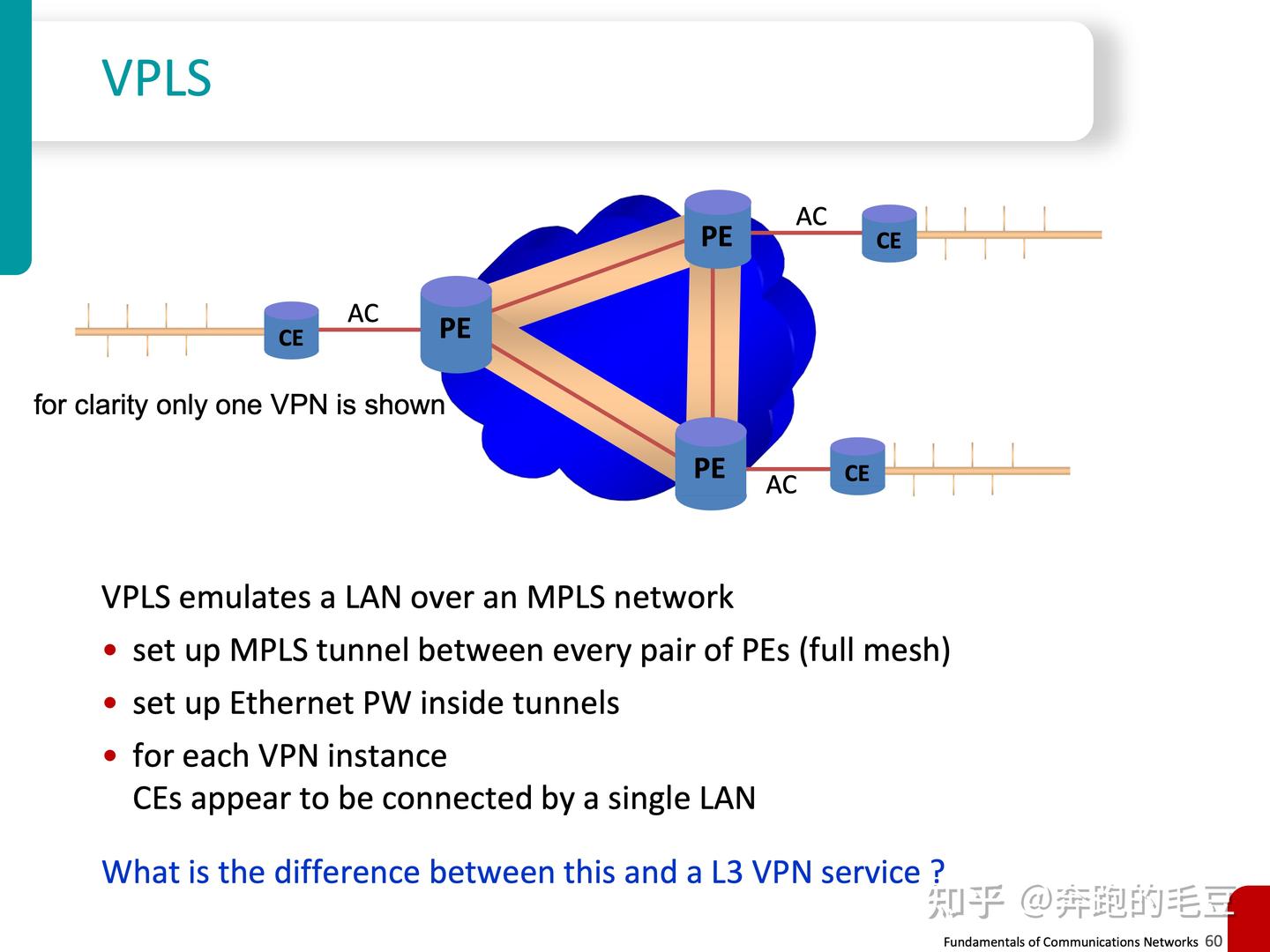
Ethernet PWs诞生,分为:VPWS和VPLS
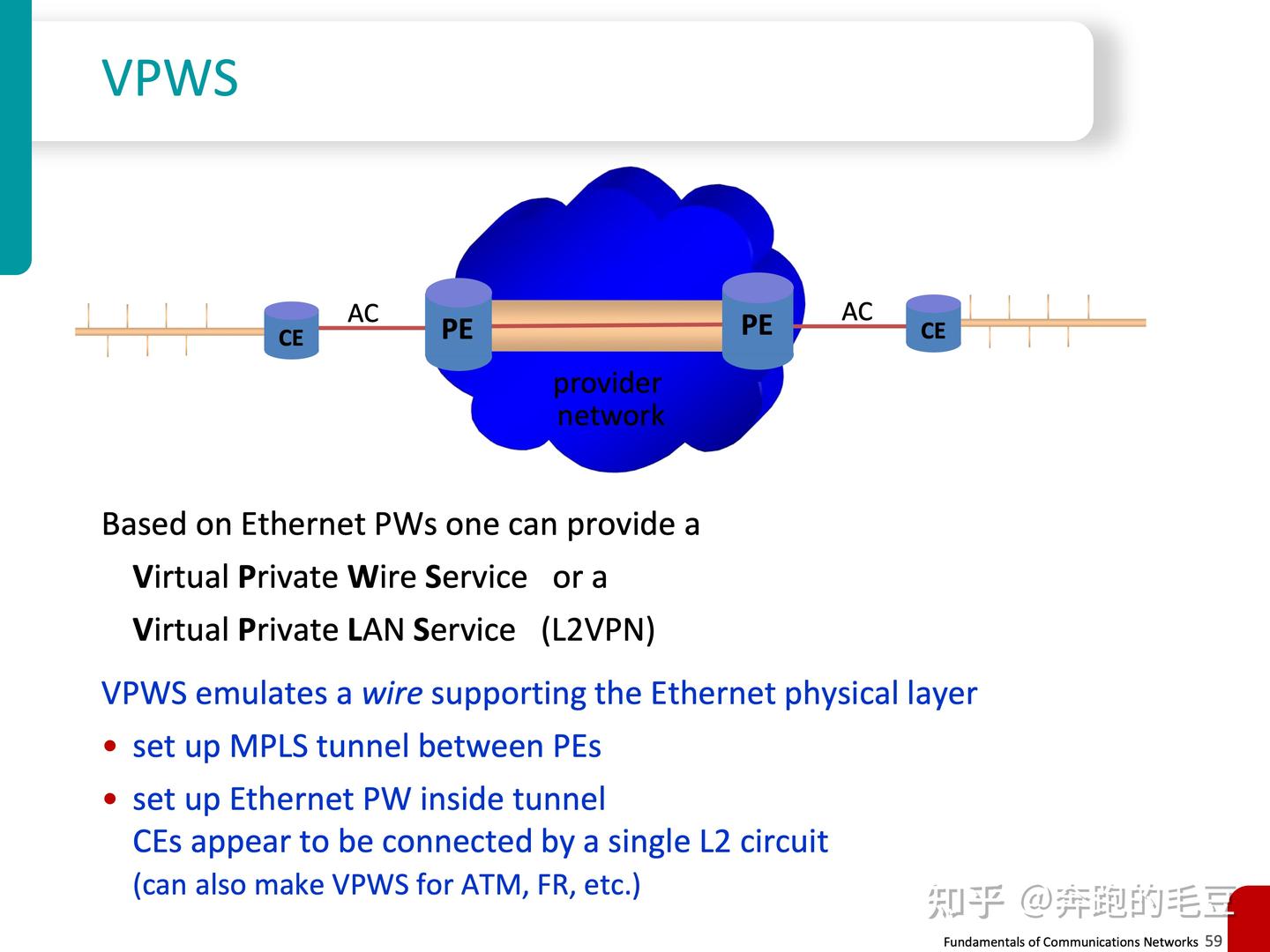
The VLL is completely transparent to the end-user data and application protocol. From the customer’s perspective, the service provider’s network that provides the VLL service acts like a wire (hence the term pseudowire) and connects the two sites. Therefore, VLL is also referred to as Virtual Private Wire Service (VPWS). The VLL service accepts native format traffic from one customer site and sends it to the other customer site.
Virtual Private LAN Service (VPLS) is a way to provide Ethernet-based multipoint to multipoint communication over IP or MPLS networks.